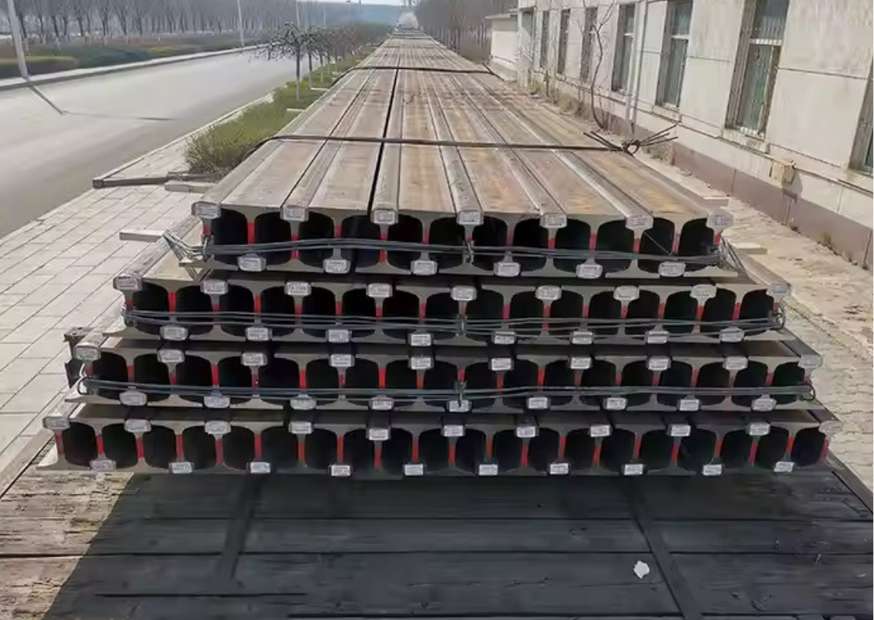
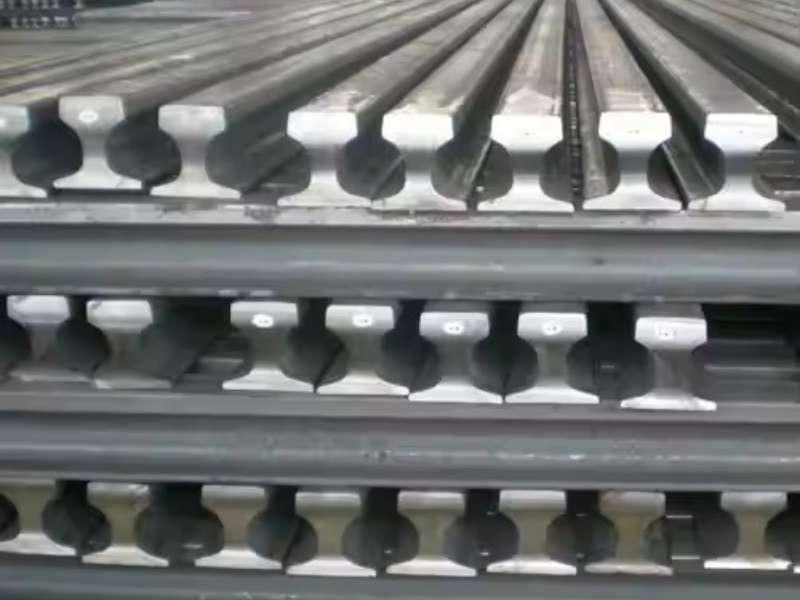
The 60 lbs rail, a key component in light-duty railway systems, is defined by its precise specifications, particularly the 60 lbs rail dimensions in mm. These dimensions are governed by the ASCE 60 standard, ensuring uniformity and compatibility across North American rail networks. A 60 lbs rail has a nominal weight of 60 pounds per yard, which translates to approximately 29.8 kg per meter. This specific weight class makes it an ideal choice for applications such as mining tracks, industrial spurs, light-freight lines, and amusement park rides where the load requirements are moderate. Understanding the exact dimensions is critical for engineers, project managers, and maintenance crews involved in the design, installation, and upkeep of these specialized rail systems.
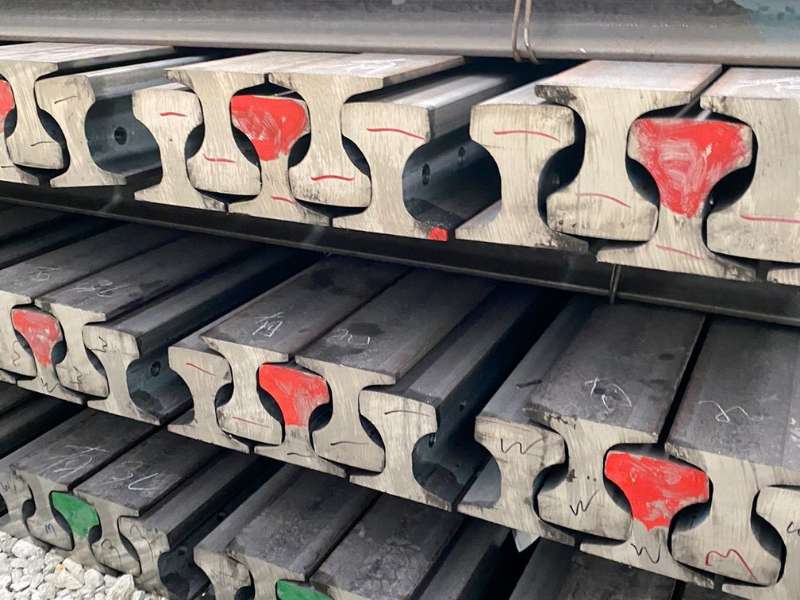
60 LBS Rail Specification & Drawing
The design and manufacturing of the 60 LBS rail, also known as ASCE 60 rail, adhere to the stringent guidelines set by the American Society of Civil Engineers (ASCE) and standards like ASTM A1. This ensures that every section of rail meets the required mechanical properties and dimensional accuracy for safe and efficient operation. The standardized profile allows for seamless integration with compatible fastening systems, including joint bars (fishplates), bolts, and rail clips.
The engineering drawing of an ASCE 60 rail profile outlines its cross-sectional geometry. This includes the specific radii of the head, web, and base fillets, which are engineered to distribute stress effectively and minimize wear. The standard drilling patterns for joint bars are also specified, typically featuring 2-1/2” × 5” spacing with 15/16” diameter holes, ensuring a secure connection between rail sections. The chemical composition of the steel is also a critical specification, typically a high-carbon steel (such as 700/900A) that provides the necessary hardness and tensile strength to withstand the dynamic forces of rail traffic. These detailed specifications guarantee that the rail can handle its intended load capacity while providing a long service life.
Detailed 60 LBS Rail Specifications
The integrity of any rail line depends on the precise adherence to its specified dimensions and material properties. For the 60 LBS rail, these specifications are well-defined to ensure reliability in light-duty applications. The nominal weight of 60 pounds per yard (29.76 kg/m) is just the starting point. Engineers rely on a complete set of specifications to plan track layouts, calculate load-bearing capacity, and select the appropriate fastening components.
Crews typically use a standard 20-inch joint bar to connect sections, with each pair weighing approximately 13 lbs, or 16 lbs including the necessary hardware. They secure the connection using 3/4” x 4” track bolts. Engineers design these components to work together, creating a continuous and stable track structure capable of handling the stresses of regular use. The standardized nature of these specifications simplifies procurement, installation, and maintenance, as components from different manufacturers are interchangeable as long as they meet the ASCE 60 standard.
ASCE Rail Specifications
The American Society of Civil Engineers (ASCE) has established a comprehensive set of standards for rail sections of various weights. The ASCE 60 rail is one of the most common profiles in the light rail category. This standardization extends beyond just the rail itself to include all associated components, creating an ecosystem of compatible parts.
The ASCE specifications cover several key parameters:
- Section Index: The identifier for the rail profile, such as 6040 for the ASCE 60 rail.
- Mechanical Properties: These include section modulus and moment of inertia, which are critical for calculating the rail’s resistance to bending and stress. For the ASCE 60 rail, the head has a section modulus of 6.62 in³, the base 7.10 in³, and the moment of inertia is 14.56 in⁴.
- Standard Lengths: Rails are typically produced in standard lengths of 20, 30, 33, and 40 feet to facilitate transport and installation.
- Material Grade: The steel composition must meet specific requirements for carbon, manganese, silicon, and phosphorus content to ensure the desired hardness, strength, and weldability.
These comprehensive standards ensure that every ASCE 60 rail provides predictable performance and longevity, which is fundamental to the safety and reliability of any railway.
60 lbs Rail Dimensions in mm
A detailed examination of the 60 lbs rail dimensions in mm reveals the precise engineering behind this rail profile. These measurements are critical for ensuring compatibility with everything from the tie plates and sleepers it rests on to the rail clips that hold it in place. The conversion from imperial units (inches) to metric (millimeters) is essential for international projects and for use with modern design software.
The cross-sectional profile is defined by three main parts: the head, the web, and the base. The head is the top surface that makes contact with the wheel, the base provides stability by distributing the load over the tie plate, and the web connects the head and the base. Each part has specific dimensions that contribute to the rail’s overall strength and performance.
60 LBS Rail (ASCE 60) Dimension Table
To provide absolute clarity, the dimensions of the ASCE 60 rail are presented here in a standardized table format. These values are the benchmark for manufacturing and quality control processes.
|
Type |
Head Width (mm) |
Rail Height (mm) |
Base Width (mm) |
Web Thickness (mm) |
Weight (kg/m) |
|
60 LBS Rail (ASCE60) |
60.32 |
107.95 |
107.95 |
12.30 |
29.76 |
These dimensions ensure a balanced and robust profile. The equal base and rail height (107.95 mm) create a stable foundation, while the 60.32 mm head width provides an adequate contact surface for wheels. The 12.30 mm web is engineered to withstand the shear stresses that occur as loads are transferred from the head to the base.
Rail Clips for 60 lbs Rail
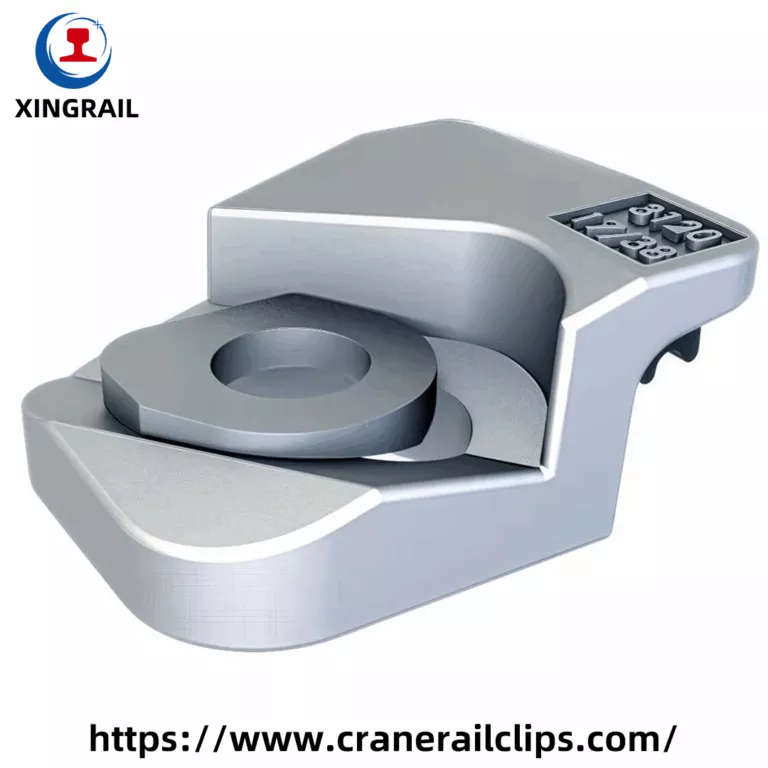
Rail clips are indispensable components in a rail fastening system. Their primary function is to secure the rail to the tie plate or sleeper, preventing lateral, vertical, and longitudinal movement of the rail. For the 60 lbs rail, selecting the correct type of clip is crucial for maintaining track gauge and ensuring overall stability. The clips must provide a constant clamping force to hold the rail firmly in place, absorbing vibrations and resisting the dynamic forces exerted by passing trains.
Rail clips are available in various designs, including bolted clips and elastic clips. Bolted clips are traditional fasteners that are bolted directly to the sleeper or a baseplate. Elastic clips, such as the Pandrol-style e-clip or the Deenik-style clip, are designed to provide a more dynamic and consistent clamping force, which is particularly beneficial in tracks with high vibration levels. The choice of clip depends on the application, the type of sleeper (wood, concrete, or steel), and the expected traffic loads.
For the 60 lbs rail, engineers must size clips appropriately to fit the rail’s base flange. For instance, the #106 rail clip serves as a versatile option for use with a range of Tee rails from 60 lb to 100 lb ASCE sections. Installers can bolt or weld these clips to the foundation, offering flexibility in installation. Manufacturers produce them from high-strength steel to ensure they withstand clamping forces and environmental conditions without failing. The specifications for a compatible clip will include its dimensions, material properties, and the required torque for bolted applications to achieve the necessary clamping force. This ensures the entire fastening system works in harmony to provide a secure and reliable track structure.