One of the world’s largest railway networks relies on the Indian rail standard for smooth connection and sturdy infrastructure. Indian railway standards address passenger and freight transport needs from rail gauge classification to safety and maintenance. This blog discusses India’s railway track standards, construction methods. Discover the key factors that make the Indian rail system efficient and reliable.
What Is Indian Rail Standard?
Railway track construction, operation, and maintenance in India are governed by the rail standard. It covers rail gauge classifications, track engineering, and safety. Indian railways use broad gauge tracks for stability and load capacity. The requirements also ensure that train infrastructure efficiently supports passenger and freight operations. Trains’ track compatibility depends on rail gauges like broad, meter, and narrow. Uniformity and efficiency depend on these categorization.
The Indian rail standard prioritizes safety to prevent accidents and protect passengers. Regular track maintenance is also stressed in the guidelines to improve track durability and reliability. Indian railway standards also match global norms. To endure enormous loads and changing weather, construction standards emphasize high-quality materials and advanced engineering. These comprehensive standards help the Indian rail system evolve to meet the needs of a rapidly rising nation.

How Does Indian Rail Standard Protect Tracks?
Rigid engineering and maintenance processes assure track safety under the Indian rail standard. High-quality materials are required for track construction to provide longevity and wear resistance. Additionally, Indian train track standards emphasize track alignment and leveling to prevent derailments. Regular inspections detect and fix cracks and misalignments before they worsen. To improve anomaly detection, Indian train safety standards use innovative technologies including automated track monitoring systems.
Rail gauge categorization is another important track safety factor. Trains and tracks are compatible with Indian rail gauge requirements. Large loads are more stable on broad gauge lines, which dominate the Indian rail system. The Indian rail maintenance guidelines also cover ballast cleaning, rail grinding, and joint tightening. These methods prolong track life and reduce accidents. The Indian rail standard develops a stable and secure infrastructure that meets the nation’s rising railway network needs by combining robust construction methods with proactive maintenance.
Key Features of Indian Railway Track
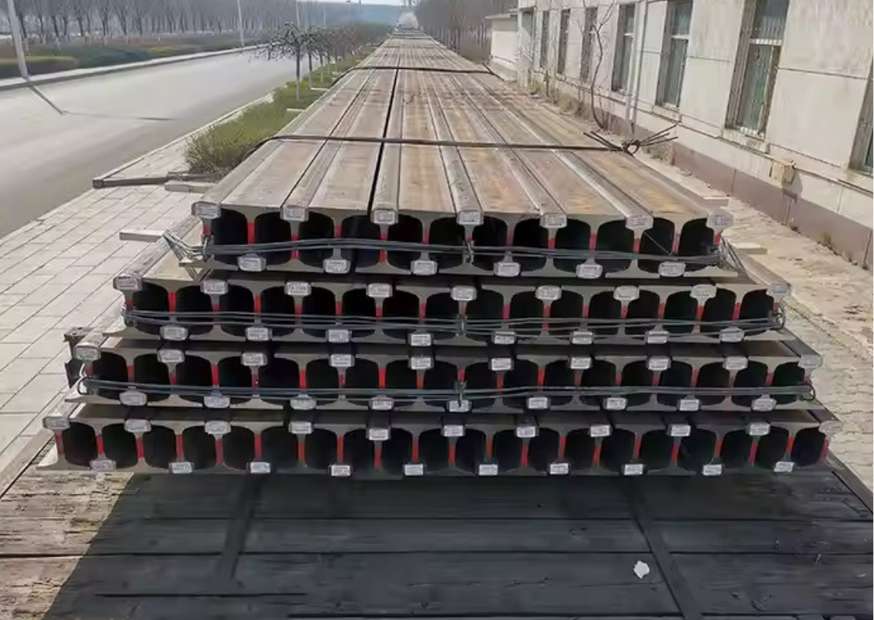
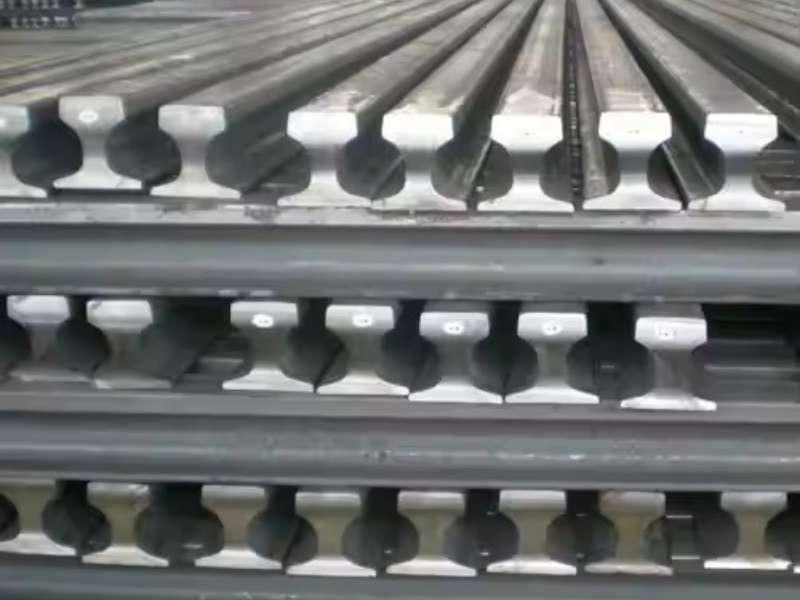
Railway track structure and operation are regulated by the Indian rail standard. The Indian rail system relies heavily on wide gauge rails. These tracks add stability and support for passenger and freight trains. To handle severe loads and weather, Indian rail track regulations recommend high-quality steel rails and concrete sleepers. Proper track alignment and leveling reduce track and rolling stock wear and tear.
The distinction between broad, meter, and narrow rail gauges is also important. Trains and tracks are compatible with Indian rail gauge requirements. Advanced technical methods like continuous welded rails reduce track joints and increase longevity in Indian rail construction requirements. Ballast cleaning and rail grinding are required by Indian train maintenance regulations to maintain track integrity. These elements, together with an emphasis on safety and innovation, make the Indian rail infrastructure strong and reliable.
Indian Railway Standard vs. Global Standards
The Indian rail standard meets worldwide benchmarks in several important areas. Broad gauge tracks, which dominate the Indian rail system, are more stable and load-bearing than narrower gauges in other countries. The Indian railway standards also promote the use of innovative engineering techniques like continuous welded rails, which decrease track joints and increase durability. They follow global standards to ensure the infrastructure supports high-speed and heavy-load operations. In addition, Indian rail construction standards emphasize high-quality materials for long-term dependability.
We support the Indian rail standard with our advanced railway fastening solutions at Xingrail. Our products meet India’s strict railway infrastructure standards for safety, durability, and efficiency. You get a partner with rail fastening system expertise and a global track record with Xingrail. Railway operations present unique challenges, so we offer customized solutions that meet Indian rail standards. Make your railway network more reliable and robust with our help. Improve your infrastructure and ensure long-term success with Xingrail.