Sourcing the right materials for industrial or railway projects requires precision. When you see a railroad tracks for sale, it is not just a piece of steel; it is the foundation of a complex transportation or lifting system. Whether you are building a new crane runway or repairing a siding. This guide covers everything from technical specifications to procurement strategies. We will help you navigate the complex market of industrial rails to ensure safety and efficiency.
Sourcing Railroad Track for Sale
Finding the correct railroad track for sale begins with a clear assessment of your project needs. You must evaluate several critical factors before contacting a steel railroad rails supplier.
Determining Load Requirements
First, you need to calculate the axle loads and traffic frequency. Heavy industrial applications demand robust profiles. Conversely, lighter loads might allow for smaller, more economical rails. If you underestimate the load, the track will deform quickly. Overestimating leads to unnecessary costs. Therefore, precision in these calculations saves money and ensures safety.
New vs. Relay Rails
You will often choose between new and “relay” rails. Relay rails are used tracks removed from mainlines. They often retain enough structural integrity for industrial sidings. Choosing relay steel is a cost-effective strategy for low-speed applications. However, high-speed or heavy-load projects typically require new steel to guarantee performance.
Logistics and Procurement
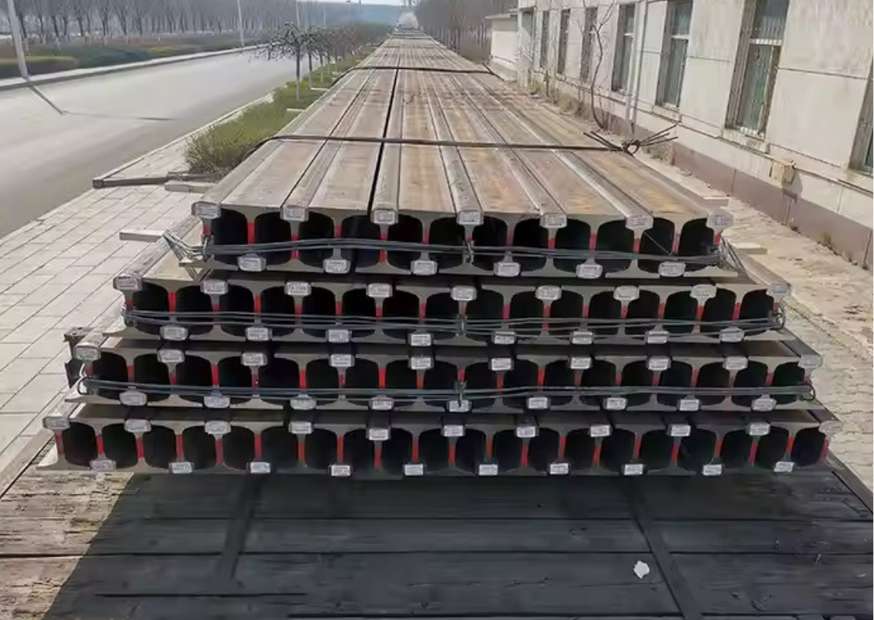
Transporting steel rails is a logistical challenge. You should work closely with a supplier who understands bulk transport. Searching for “railroad tracks sales near me” can reduce shipping costs significantly. Local sourcing minimizes the distance heavy steel must travel. Consequently, this lowers the overall project budget.

Technical Specifications and Railway Track Standards DIN536
When evaluating a railroad track for sale, technical standards are paramount. One of the most critical global standards for crane rails is the railway track standards DIN536.
The DIN536 Standard
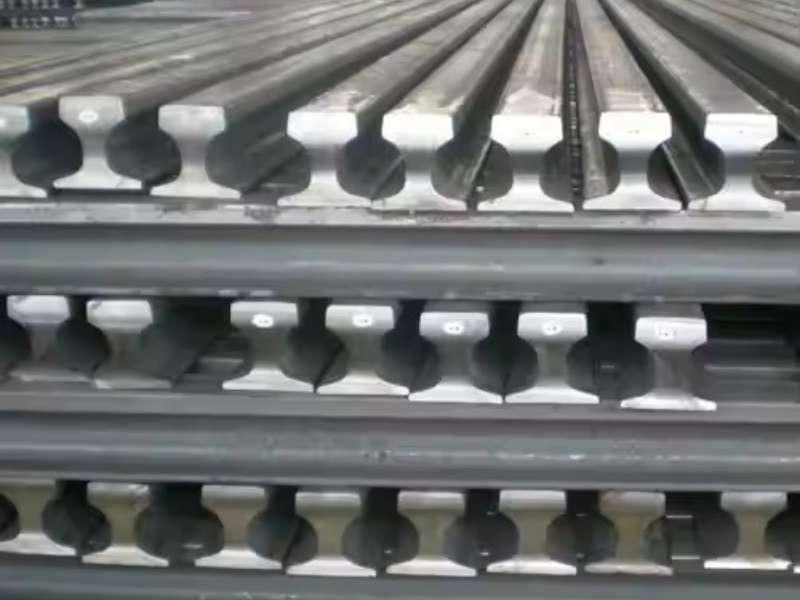
This standard defines the “Type A” hot-rolled flat bottom crane rail profile. A crane rail track supplier will often reference this for port and industrial applications. The broad base and low center of gravity provide excellent stability.
Material Strength
The chemical composition determines the rail’s durability. Common steel grades include 700, 900A, and 1100. Higher numbers indicate greater tensile strength. For instance, Grade 1100 resists wear much better than Grade 700. Thus, it is suitable for high-cycle environments.
Dimensional Table
Below is a detailed breakdown of common DIN536 profiles. These dimensions help engineers match the rail to the wheel flange.
|
Profile Type |
Head Width (mm) |
Height (mm) |
Base Width (mm) |
Weight (kg/m) |
|
A45 |
45 |
55 |
125 |
22.1 |
|
A75 |
75 |
85 |
200 |
56.2 |
|
A100 |
100 |
95 |
200 |
74.3 |
|
A120 |
120 |
105 |
220 |
100.0 |
|
A150 |
150 |
150 |
220 |
150.3 |
You may also find railway track for sale, train tracks for sale and steel rail manufacturer helpful.
Heavy-Duty Railway Tracks for Industrial Use
Industrial environments demand heavy-duty railway tracks that can withstand extreme stress. When looking for a railroad tracks for sale.
Crane Rail vs. Tee Rail
The crane rails differ significantly from standard Tee rails. Crane rails have a wider head to support heavy wheel loads. In contrast, Tee rails are taller and thinner, designed for high-speed trains. Industrial rail track solutions for gantry cranes specifically require the stability of crane rails.
High-Speed vs. Mining Applications
Mining tracks face harsh conditions. They must resist corrosion and heavy impacts. Alternatively, high-speed tracks prioritize smoothness and alignment. You must select the rail profile that matches your specific environmental challenges.
Alignment and Installation
Proper installation ensures longevity. Precision welding techniques, such as Thermite or Flash-butt welding, create seamless joints. Seamless tracks reduce wheel wear and vibration. As a result, your equipment lasts longer and requires less maintenance.
Necessary Railroad Track Accessories for Sale
A rail system is incomplete without components. When purchasing a railroad tracks for sale, do not forget the accessories.
Fastening Systems
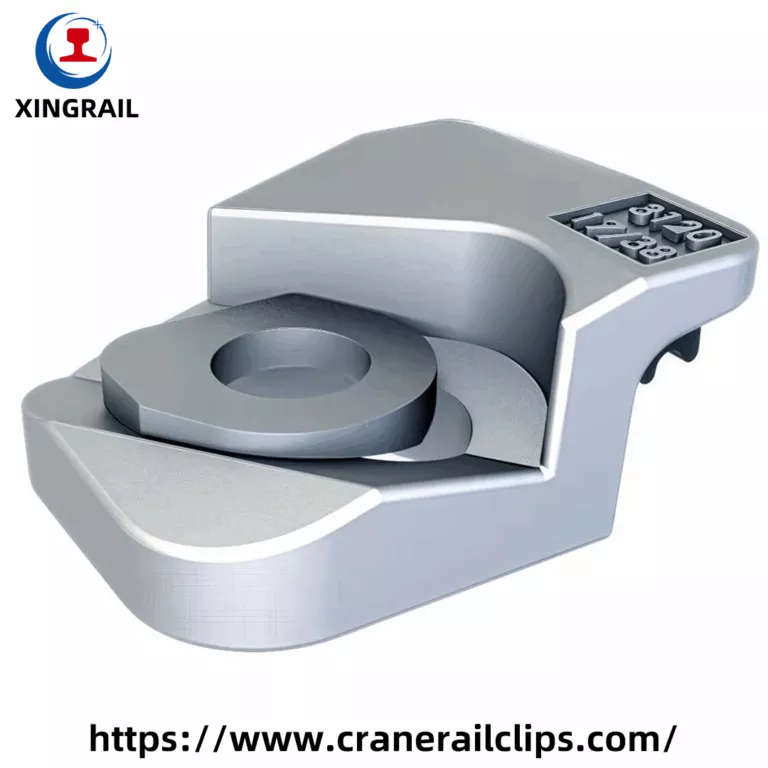
Fastening systems secure the rail to the sleeper or ground. You can find various railroad track accessories for sale. E-clips and tension clamps maintain the gauge under load. Additionally, rubber pads placed beneath the rail dampen vibration. This protects the concrete foundation from cracking.
Jointing and Support
Fishplates and bolts join non-welded rail sections. Sleepers, made from wood, concrete, or steel, maintain the track gauge. The choice of sleeper depends on the environmental conditions and load requirements. For example, concrete sleepers offer superior durability in wet climates.
Maintenance Tools
Regular maintenance prevents catastrophic failures. Manual and automated inspection tools help identify wear early. Sourcing these tools alongside your rails ensures you are ready for ongoing upkeep.
Procurement Guide: How to Buy Railroad Tracks Online
The digital age has made it easier to buy railroad tracks online.
Inventory Verification
Always verify stock availability. Standard lengths typically range from 12m to 25m. Before placing an order, confirm that the supplier actually has the specific length and grade you need. This prevents project delays.
Certification and Quality Control
Never compromise on quality. Request Mill Test Certificates (MTC) for every batch. These documents verify the chemical composition and mechanical properties. They prove that the steel meets the required standards. A reputable supplier will provide these without hesitation.
Finding Local Logistics
Shipping heavy steel is expensive. Local distribution centers can handle the specialized logistics of unloading heavy rails. They often have trucks equipped with cranes, which simplifies the delivery process at your site.
Frequently Asked Questions (FAQ)
- What is the difference between new and relay railroad tracks?
New tracks are manufactured to current strict standards. Relay rails are used tracks removed from mainlines but are still good enough for sidings or industrial yards. - How do I choose the right rail weight for my project?
Your anticipated axle load determines the rail weight. Heavier loads require higher-density rails to prevent deformation and ensure safety. - Why is the railway track standards DIN536 important for cranes?
DIN536 defines the “A-type” profile. This profile features a wider head and thick web, designed specifically to handle the concentrated vertical pressures of crane wheels. - Can I buy railroad tracks online for small projects?
Yes, many suppliers have online catalogs. However, you must coordinate with a supplier who can handle the complex logistics of shipping heavy steel. - What are the most critical railroad track accessories I need?
You need fishplates for joints. For crane use, rubber pads and weldable clips are also necessary for managing vibration.