The world of railways is built on steel. The rails that guide trains are fundamental to this system. A common question is, “how much does railroad track weigh?” This question is important. The weight of a rail directly relates to its strength, durability, and the type of traffic it can handle. Understanding this measurement is the first step in appreciating the engineering behind modern railways.
How Much Does Railroad Track Weigh?
Engineers measure railroad track weight in pounds per yard (lb/yd) in the United States or kilograms per meter (kg/m) in most other parts of the world. A heavier rail generally means a stronger track. This added weight provides greater stability. Consequently, it can support heavier loads and higher speeds. The rail’s weight determines its ability to resist wear and fatigue over time. A more substantial rail distributes the immense pressure from a train’s wheels over a larger area. This reduces stress on the track structure.
Railroad Track Sizes and Dimensions
Railroad track sizes and dimensions are not universal. They vary based on their intended purpose. Standard railroad track dimensions include the height of the rail, the width of its base, and the width of its head. For example, a common rail might be about 6 inches tall with a 6-inch wide base. These dimensions directly influence the rail’s overall weight and functionality. Larger rails with greater dimensions offer more vertical and lateral stiffness. Therefore, they are better suited for main lines with heavy freight and high-speed passenger trains. Smaller railroad track sizes are often found on light-traffic branch lines or in industrial yards.
Weight of Railroad Rail by Country
Rail standards differ significantly around the globe. Each country or region adopts standards that fit its specific operational needs, from freight volume to passenger train speeds. This rail weight comparison by country shows some of these variations.
|
Country |
Common Rail Weights |
Primary Applications |
|
USA |
115 lb/yd (57 kg/m), 136 lb/yd (68 kg/m), 141 lb/yd (70 kg/m) |
Heavy-haul freight, main lines |
|
Germany |
54 kg/m (S54), 60 kg/m (UIC60) |
Mixed traffic, high-speed lines |
|
China |
50 kg/m, 60 kg/m, 75 kg/m |
Mixed traffic, heavy freight, high-speed |
|
Japan |
50 kg/m, 60 kg/m |
High-speed passenger (Shinkansen), conventional lines |
These regional differences reflect diverse railway philosophies. The USA, for instance, focuses on extremely heavy axle loads for freight. Europe, conversely, often prioritizes high-speed passenger travel.
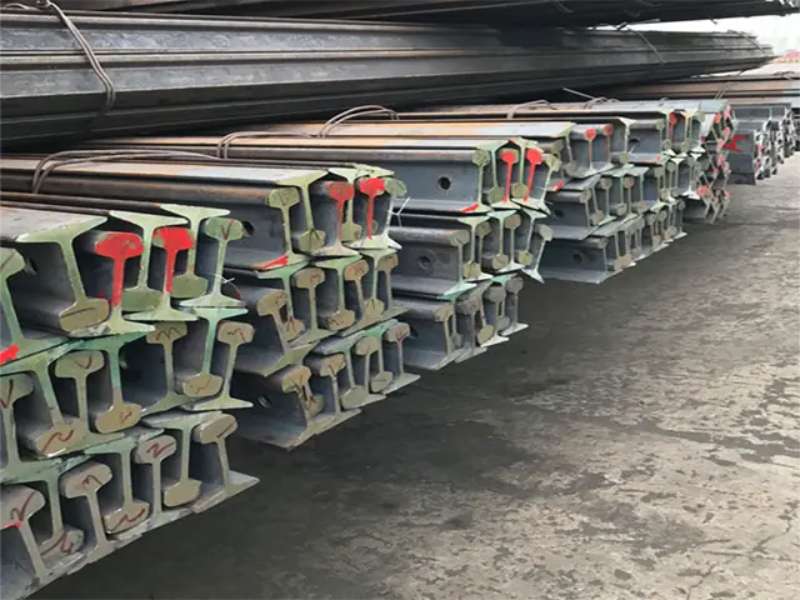
Rail Weight Per Yard and Specifications
Rail weight per yard is the standard measurement for railroad track weight specifications in North America. A rail labeled as 115 lb/yd means that a one-yard (three-foot) section of that rail weighs 115 pounds. This is equivalent to approximately 38.33 pounds per foot. The American Railway Engineering and Maintenance-of-Way Association (AREA) sets these standards. AREA standards define the profile and chemical composition for each rail weight. For example, 136RE rail (136 lb/yd) is a common choice for main lines carrying heavy tonnage due to its excellent strength and durability.
Heavy-Duty Rail Weight Analysis
Heavy-duty and high-speed railways demand exceptionally strong rails. A heavy-duty rail weight analysis shows that heavier profiles are necessary to handle the immense forces involved. Rails like the 136RE in the US and the UIC60 standard in Europe are prime examples. The UIC60 rail weight details specify a weight of 60 kg/m. This standard is widely used across Europe and Asia for high-speed and heavy-haul routes. The greater mass of these rails helps to manage higher axle loads. It also enhances track stability and reduces maintenance needs over the long term. A heavier rail profile offers a longer service life under intense operational conditions.
High-Speed Rail Weight Standards
High-speed rail systems require track of the highest quality to ensure safety and a smooth ride at speeds exceeding 200 mph. Consequently, high-speed rail weight standards call for heavy rails. Most high-speed networks. This heavy profile provides the necessary stability to prevent track buckling and absorb vibrations at high velocities. The precision engineering of these tracks, combined with heavy rail, is necessary for the success of high-speed train operations.
Factors Influencing Railroad Track Weight
Several factors guide the selection of a specific rail weight. First, axle load and train speed are primary considerations. Heavier trains traveling at higher speeds require heavier rails. Additionally, engineers consider the annual weight density. Lines with high tonnage need more robust, heavier rails to prevent premature wear. Last but not least, vibration and the overall strength and durability of the train track are also important. A heavier rail is more resistant to deformation and fatigue. This leads to a safer and more reliable track structure.
Related: rail size chart, rail weight calculator for crane rails and Indian railway track gauge.
Comparing Rail Weight by Country
A closer look at rail weights reveals how different networks prioritize certain types of traffic. Rail weight comparison by country often shows a split between freight-dominant and passenger-dominant systems.
|
Application |
USA |
Europe (e.g., Germany) |
Japan |
|
Heavy Freight |
136-141 lb/yd |
60 kg/m (UIC60) |
60 kg/m |
|
Mainline Passenger |
115-136 lb/yd |
60 kg/m (UIC60) |
50 kg/m |
|
High-Speed |
(Limited) |
60 kg/m (UIC60) |
60 kg/m |
|
Light Traffic |
90-115 lb/yd |
49 kg/m (S49) |
37-50 kg/m |
This comparison highlights the North American focus on heavy-haul freight. In contrast, Japan and many European nations use heavy rail primarily for their world-class high-speed passenger networks.
Railroad Track Strength and Durability
The weight of a rail is a primary contributor to railroad track strength and durability. A rail with more steel in its cross-section can better withstand the repeated stresses of passing trains. This increased mass helps to dissipate heat generated by braking and friction. It also provides a larger wear surface on the rail head. As a result, heavier rails last longer before needing replacement. Maintenance considerations also differ. While heavier rail is more expensive to install initially, its longer lifespan and lower maintenance requirements often result in a lower total cost of ownership on busy main lines.
FAQs
How much does a railroad track weigh per foot?
The weight varies by the type of rail. For example, a 115 lb/yd rail, common in the US, weighs approximately 38.33 pounds per foot. A heavier 136 lb/yd rail weighs about 45.33 pounds per foot.
What is the heaviest railroad track weight?
The heaviest mass-produced rail is 155 lb/yd (about 77 kg/m). Crane rails can be even heavier. This ultra-heavy rail is used in specific.
What are the standard rail weights in the USA?
Common rail weights for main lines in the USA include 115 lb/yd, 136 lb/yd, and 141 lb/yd. Lighter rails, such as 90 lb/yd, might be used on secondary tracks or in rail yards.
Why does rail weight matter?
Rail weight is critical for safety and efficiency. Heavier rails can support higher speeds, greater axle loads from heavier trains, and offer superior durability. This reduces maintenance costs and increases the lifespan of the track.
What is UIC60 rail?
UIC60 is a rail profile standard set by the International Union of Railways (UIC). It weighs 60 kilograms per meter (approximately 121 lb/yd) and is a popular choice for high-speed and heavy-duty railways worldwide, especially in Europe and Asia.