Procuring the right steel rails is a critical task for any industrial, commercial, or specialized project. Finding the best railroad track for sale requires careful planning and an understanding of the market. Success depends on balancing cost, quality, and logistical considerations. You need to know where to look and what questions to ask. This guide provides a clear path for sourcing and procuring the exact railway materials your project demands.
Sourcing and Procurement Strategies
Finding the right material involves a mix of local searches and global procurement. Different strategies suit different project needs. Therefore, you should evaluate each option carefully.
First, you can leverage digital platforms to buy railroad tracks online. Online marketplaces and specialized distributor websites allow you to compare quotes from various suppliers. This approach is excellent for accessing a wide range of products from international manufacturers. In addition, it helps you find specific rail profiles that may not be available locally.
Next, you can search for railroad track sales in your area. Working with local salvage yards and regional industrial suppliers often reduces transportation costs significantly. This is especially true for smaller quantities or for projects with flexible specifications. Local suppliers can be a cost-effective source for used materials.
You should evaluate potential vendors based on several key criteria. Ask for mill certifications to verify the steel’s origin and quality. Inquire about their metallurgical testing procedures. Also, confirm their logistics capabilities to ensure timely and safe delivery to your site. A reliable supplier provides transparency and support throughout the process.
Used vs. Reconditioned Railroad Track for Sale
Cost-efficiency often leads buyers to consider options other than new steel. Both used and reconditioned tracks offer significant savings. However, they serve different purposes.
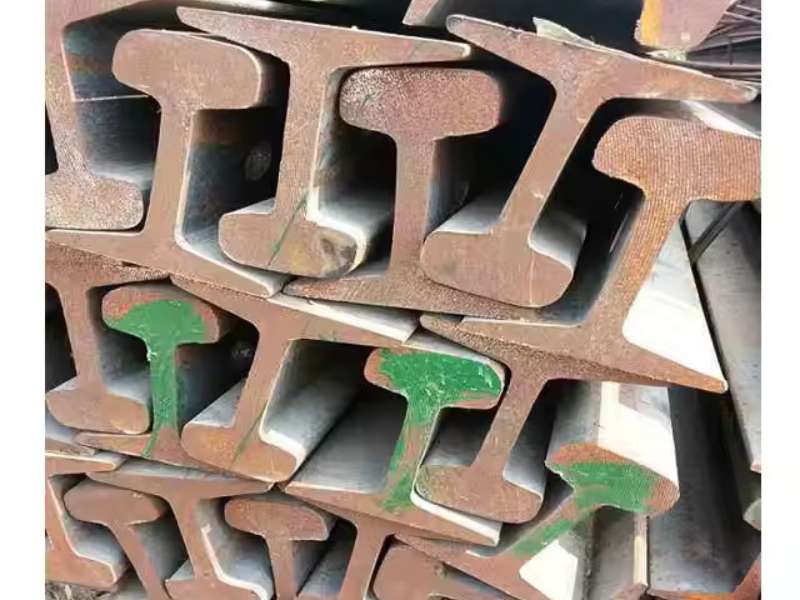
Used railroad track for sale is rail sold in its as-is condition. It usually comes from decommissioned lines or track upgrades. This material is ideal for less demanding applications. For example, you can use it for light industrial sidings, decorative work, or low-speed freight spurs. It is also a popular choice for non-industrial uses like farm fencing or creating anvils.
In contrast, reconditioned railway tracks undergo a detailed refurbishment process. This process includes ultrasonic testing to detect internal flaws. It also involves straightening to correct any bends and end-cropping to remove worn sections. Reconditioned rails can meet high performance standards for secondary tracks. Accordingly, they offer a reliable alternative to new rails at a lower cost. When inspecting either type, look for key indicators of wear. These include significant head loss, cracks in the web, and corrosion at the base.
Technical Specifications Railway Track Standards DIN536
For heavy-duty applications like crane and gantry systems, compliance with international standards is necessary. The DIN 536 standard is particularly important for ensuring load stability and operational safety. It governs the design of “A” series crane rails.
The DIN 536 standard specifies a range of crane rails, from A45 to A150. Each designation corresponds to a specific profile with defined dimensions. These rails feature a wide, flat head, a thick web, and a broad base. This design helps distribute the immense vertical and lateral forces exerted by heavy cranes.
Material grades are also a critical factor. Steel grades like S700 and S900 offer different tensile strengths. The choice depends on the expected axle loads and the operational intensity of the crane system. Higher-grade steel provides greater durability and resistance to wear.
DIN 536 Crane Rail Specification Table
|
Rail Type |
Head Width (mm) |
Height (mm) |
Base Width (mm) |
Weight (kg/m) |
|
A45 |
45 |
55 |
125 |
22.1 |
|
A55 |
55 |
65 |
150 |
31.8 |
|
A65 |
65 |
75 |
175 |
43.1 |
|
A75 |
75 |
85 |
200 |
56.2 |
|
A100 |
100 |
95 |
200 |
74.3 |
|
A120 |
120 |
105 |
220 |
101.2 |
|
A150 |
150 |
150 |
220 |
150.3 |
Related: steel railway price guide, railroad tracks for sale and railway track for sale.
Specialized Industrial Rail Track Solutions
Heavy industries require more than standard rail profiles. They need complete systems designed for extreme conditions and high axle loads. A specialized industrial rail track solution integrates all components for optimal performance.
Heavy-duty railway tracks are designed specifically for demanding environments. For instance. These tracks feature superior abrasion resistance and strength to withstand constant, heavy use.
A knowledgeable crane rail track supplier offers more than just material. They provide value-added services like custom cutting. These services ensure the rails fit perfectly into gantry systems and overhead crane runways. Furthermore, some suppliers offer turnkey industrial rail track solutions. This comprehensive service includes track design, foundation engineering, and drainage planning. It ensures the entire system works together seamlessly.
Railroad Track Accessories for Sale
A track is only as strong as its fastening system and supporting components. A complete installation requires a range of accessories designed to work together. Therefore, you must select the right components for your specific rail profile and application.
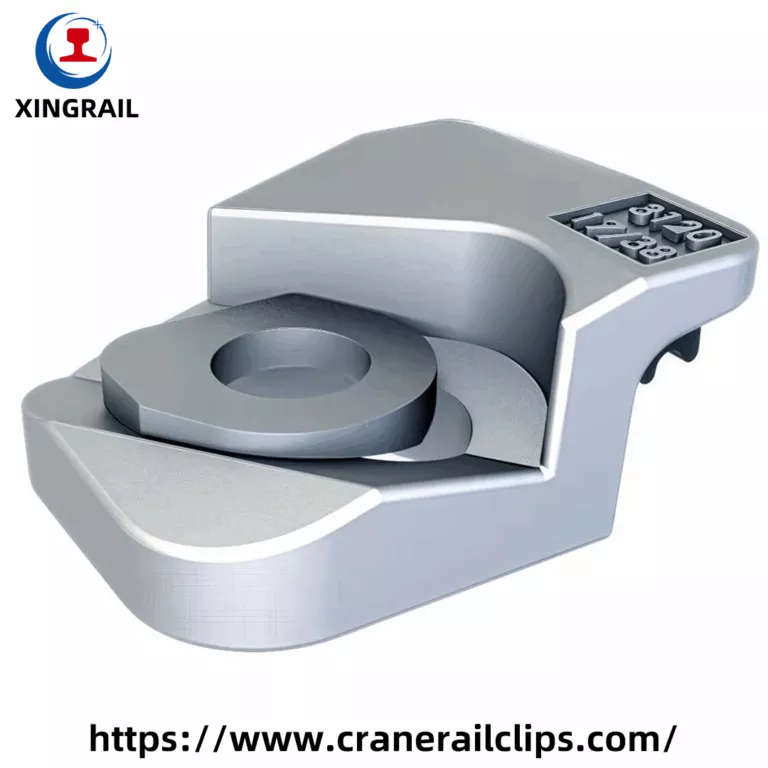
Fastening systems are important for securing the rail. You must choose the right clips for your rail profile. Weldable clips are often used for crane rails for a rigid connection. Bolted clips, on the other hand, allow for easier adjustments.
Joint bars, also known as fishplates, are necessary for connecting rail segments. They provide structural continuity while allowing for thermal expansion and contraction. Similarly, you must choose the right sleepers or ties. Timber, steel, and concrete sleepers each offer benefits depending on the load requirements and environmental conditions.
At last, soleplates and pads are important for industrial settings. These components sit between the rail and the sleeper. They help reduce vibration and noise.
Frequently Asked Questions (FAQ)
- What is the difference between used and reconditioned rail?
Used rail is sold in its current state, often from decommissioned lines. Reconditioned rail undergoes rigorous cleaning. This process ensures it meets specific safety and performance standards for reuse in secondary tracks. - Why is the DIN 536 standard important for crane tracks?
DIN 536 specifies the dimensions and material properties for “A-type” crane rails. These rails feature a wide base and thick web. The design specifically distributes high vertical and lateral loads from gantry cranes efficiently. - How is railroad track weight measured?
Rail is typically measured by weight per unit of length. This is pounds per yard (lb/yd) in the US or kilograms per meter (kg/m) globally. Higher weights generally indicate a greater load-bearing capacity and a longer service life. - Can I buy railroad tracks for non-industrial use?
Yes, used rail is frequently purchased for anvils, landscape architecture, or farm fencing. This makes local suppliers the most cost-effective choice for small quantities. - What accessories are necessary for installing new rail?
Basic installation requires joint bars (fishplates), bolts, nuts, and a fastening system (clips or spikes). For industrial crane rails, specialized rubber pads and weldable base clips are often required to manage vibration and maintain alignment.