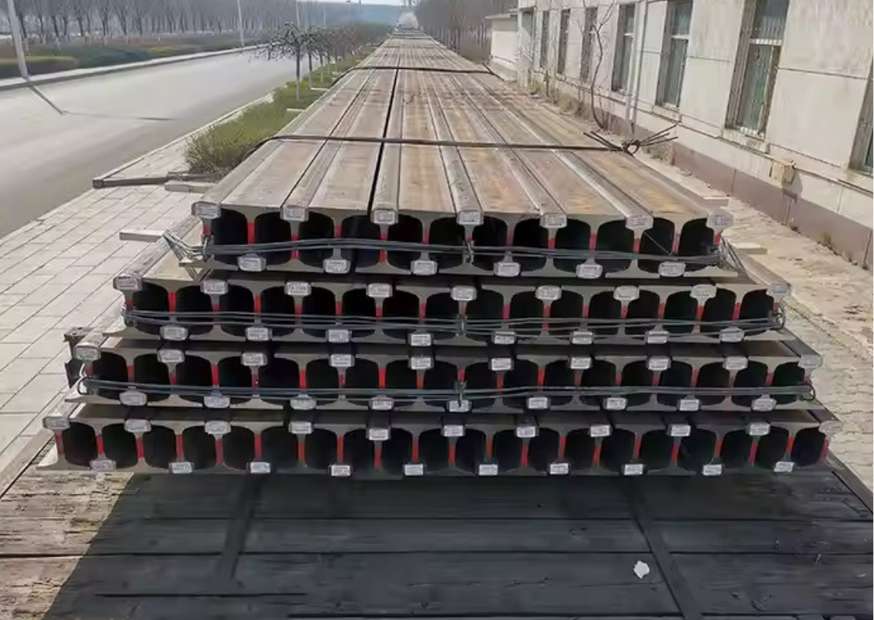
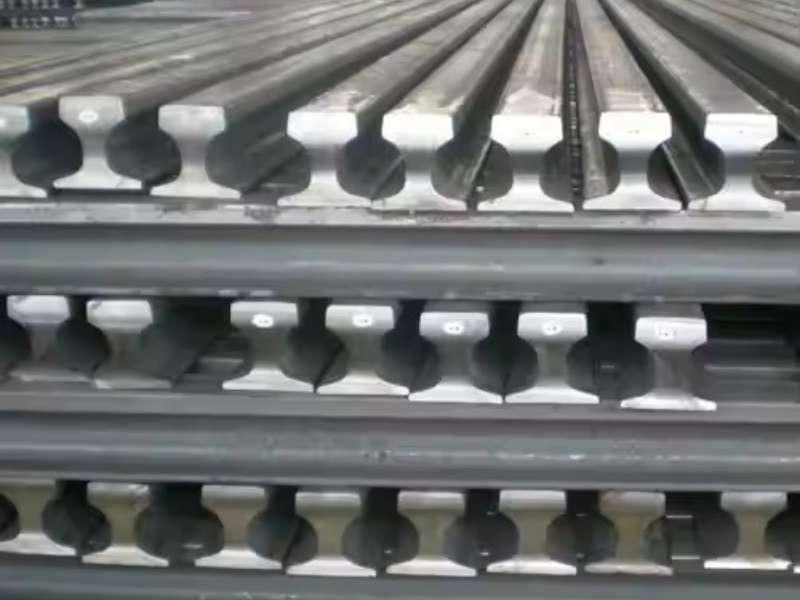
Railroad track dimensions play an important role in ensuring the safety, efficiency, and durability of railway systems. These dimensions determine the compatibility of trains with tracks and influence the overall performance of rail networks. Standardized measurements, such as rail track standard dimensions and railway track width standards, are necessary for maintaining uniformity across regions. Additionally, variations in railroad gauge measurements. Furthermore, railroad track specifications and design parameters are carefully considered to meet specific requirements.
What Are the Standard Railroad Track Dimensions?
Rail track standard dimensions primarily refer to the standard gauge. This measurement is widely adopted globally, particularly in countries like the United States, Canada, and much of Europe. The standard gauge ensures compatibility across rail networks.
However, not all regions use the standard gauge. Some countries, such as India and Australia, utilize broad gauge tracks. Conversely, narrow gauge tracks, often found in mountainous or less-developed areas, measure less than the standard gauge.
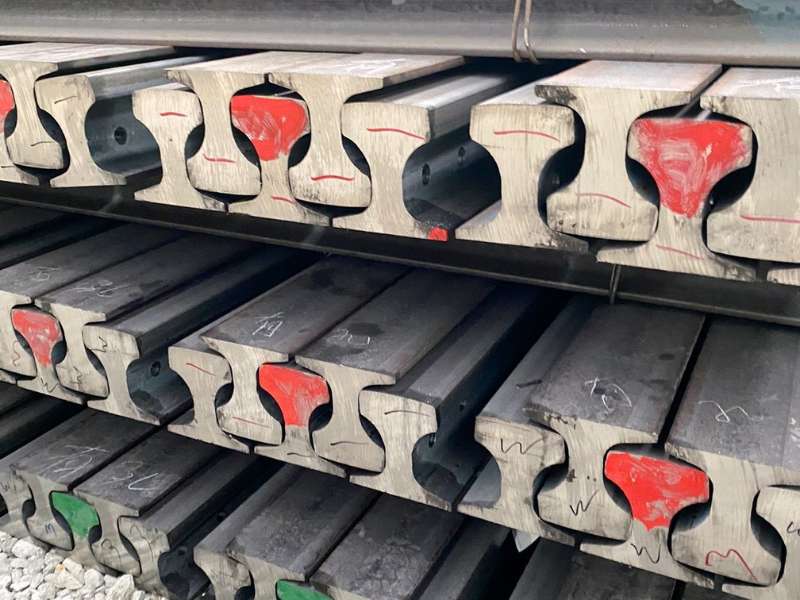
Railroad track specifications also include parameters like rail height, width, and weight. For instance, high-speed rail systems require heavier and more robust rails compared to freight lines.
How Do Railroad Track Dimensions Vary Globally?
Railway track width standards differ significantly across regions. The standard gauge, dominates in countries like the United States, much of Europe, and China. This gauge ensures interoperability and supports high-speed rail systems.
In contrast, narrow gauge tracks. These tracks reduce construction costs and adapt well to tight curves, albeit with limitations in speed and load capacity. On the other hand, broad gauge tracks. These tracks provide greater stability and accommodate heavier loads.
Both narrow and broad gauge tracks highlight the adaptability of railroad track dimensions to specific geographic and economic conditions.
|
Gauge Type |
Width (Approx.) |
Key Regions |
Advantages |
Limitations |
|
Standard Gauge |
1,435 mm (4 ft 8.5 in) |
United States, much of Europe, China |
Ensures interoperability, supports high-speed rail systems |
May not be ideal for tight curves or cost-sensitive projects |
|
Narrow Gauge |
Less than 1,435 mm |
Parts of Africa, South America, India, Japan |
Reduces construction costs, adapts well to tight curves |
Limited speed and load capacity |
|
Broad Gauge |
More than 1,435 mm |
India, Russia, parts of South America |
Provides greater stability, accommodates heavier loads |
Higher construction and maintenance costs |
What Is the Difference Between Narrow Gauge and Broad Gauge Tracks?
Narrow gauge tracks, with a width less than 1,435 millimeters, are designed for cost-effective construction and adaptability in challenging terrains. These tracks are commonly used in mountainous regions and areas with limited space, such as parts of Africa and South America. Their reduced width allows tighter curves and steeper gradients. However, they have limitations in speed and load capacity.
Broad gauge tracks, offer enhanced stability and support for heavier loads. Countries like India and Russia widely use broad gauge systems for both passenger and freight transport. The increased width allows trains to carry larger and heavier cargo. Additionally, broad gauge tracks provide smoother rides.
The primary distinction lies in their applications and advantages. Narrow gauge tracks prioritize cost and terrain adaptability, while broad gauge tracks focus on stability and capacity. Both systems demonstrate the versatility of railroad track dimensions in meeting diverse operational needs.
Related: rail design standards and railway track sizes worldwide.
How Are Railroad Track Dimensions Measured?
Railroad track dimensions are measured using specialized tools to ensure precision and safety. Track gauges are the primary instruments for measuring the distance between the inner faces of the rails. Additionally, laser-based alignment systems and digital calipers are used to assess rail alignment and width. These tools provide accurate readings.
Key parameters in railroad track design include the gauge, rail height, and alignment. The gauge determines the compatibility of trains with the track, while rail height and width influence the track’s load-bearing capacity. Engineers also measure the curvature and gradient of tracks to ensure smooth operations. These parameters are important for meeting railroad track specifications and ensuring operational efficiency.
Both manual and automated techniques are employed to measure these dimensions. Manual methods involve physical tools like track gauges, while automated systems use advanced technologies for real-time monitoring. Consequently, accurate measurement of railroad track dimensions plays a important role in maintaining safety and optimizing performance across rail networks.
What Factors Influence the Dimensions of Railroad Tracks?
Train speed and load capacity significantly influence railroad track dimensions. High-speed trains require wider and more stable tracks to ensure safety and smooth operations. Similarly, tracks designed for heavy freight must accommodate greater load-bearing capacity. These factors directly impact railroad track specifications and design parameters.
Terrain and environmental conditions also play a critical role in determining track dimensions. Tracks in mountainous regions often feature narrow gauges to navigate tight curves and steep gradients. Conversely, flat terrains allow for broader gauges. Additionally, environmental factors such as temperature fluctuations and soil conditions affect the choice of materials and alignment.
Maintenance and durability requirements further shape railroad track dimensions. Tracks subjected to frequent use or harsh conditions require robust designs to minimize wear and tear. Engineers prioritize durability by selecting materials and dimensions that reduce maintenance needs while ensuring long-term reliability. Consequently, these factors collectively guide the design and implementation of railway track width standards and other critical parameters.
As experts in the rail fastening business, we know how important it is to have the right size railroad tracks for keeping rail systems safe and running smoothly. Every little thing counts, from standard gauges to custom track designs. At Xingrail, we promise to provide reliable solutions that are made to fit the specific needs of rail networks all over the world. Because we know a lot about railway fastening systems, we can make sure that every project meets the highest standards for performance and durability. Trust us to help you build and keep the backbone of global transportation.