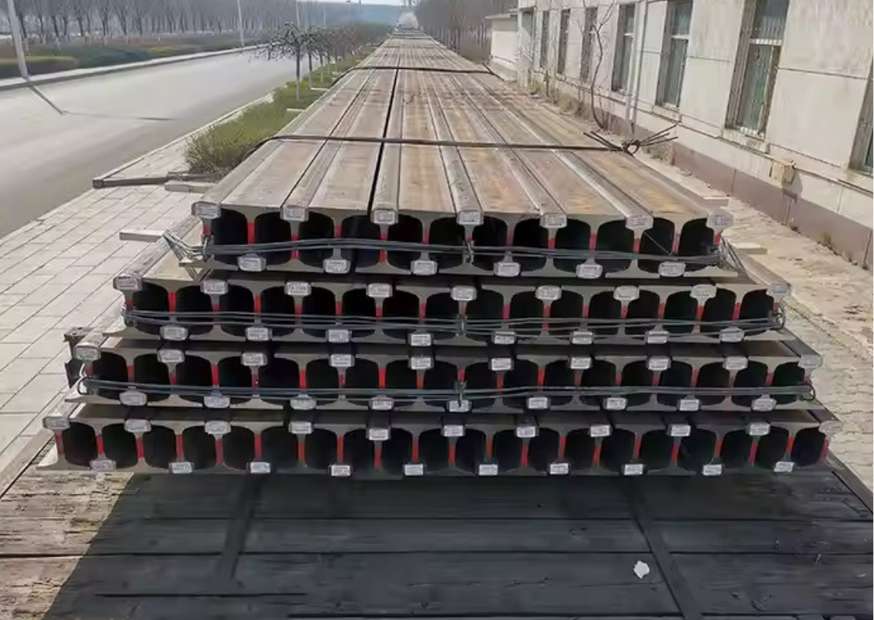
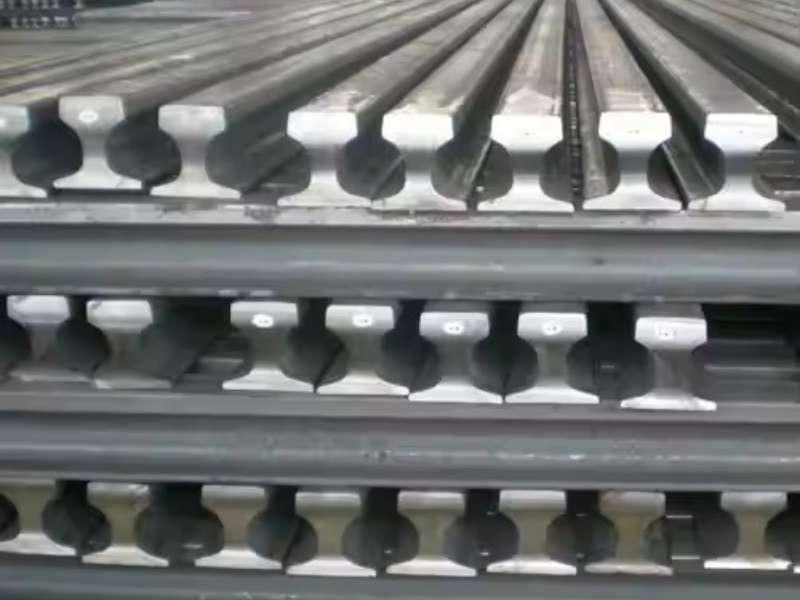
Designing safer rail systems starts with precise rail design standards. These standards, coupled with rail design guidelines and railway engineering standards, create a safe and efficient rail infrastructure. What are the main rail design standards and how do they affect safety? This blog, Xingrail will reveal the basic parameters forming dependable railway infrastructure by analyzing rail construction standards, rail safety standards, and rail system design. From standard development and revisions to worldwide variances, we’ll investigate how these criteria affect modern train safety and efficiency.
What Are the Key Safety Requirements in Rail Design Standards?
Safe reduce risks and improve reliability for all rail systems. Effective rail design guidelines, precise rail safety standards, and tight railway engineering standards are necessary. These features specify track alignment. Braking distances, electrical system insulation, and emergency access routes are also defined by strict safety regulations. Rail infrastructure standards and well-planned rail construction standards address these safety issues.
Consistent worldwide railway design standards development and application also ensure rail safety. Interoperable principles enable cross-border activities while meeting safety standards. Rail design standards are updated often to reflect technological advancements and changing safety requirements. Automated control systems prevent human mistake in current rail system design. Railway design guidelines vary by area according to environmental, topographic, and traffic conditions. The address these numerous aspects to produce systems that are safe, efficient, and sustainable in various operational conditions.

How Do Contribute to Safer Rail Systems?
Standardized rail design reduces risks and streamlines operations. Infrastructure designers assure railroad stability and reliability by following comprehensive rail design guidelines and railway engineering standards. Accident prevention relies on optimum track alignments, integrated signaling systems, and high rail safety standards. Bridges, tunnels, and crossings are precisely specified by rail infrastructure standards and rail construction standards. These efforts lay the groundwork for safe and efficient rail systems.
Railway design standards cover all safety aspects using technical principles to improve operational security. In order to reduce human mistake, current rail system design includes automatic safety measures and emergency response devices. Regionally uniform railway engineering standards enable international rail connectivity without compromising safety. Rail infrastructure design principles should include account for terrain, weather, and traffic levels in urban and rural areas. Through continuous modifications to adapt new technologies, these precautions keep train systems safe and efficient. To improve the safety and dependability of transportation networks through this precise approach.
For a deeper look at the subject, see DIN 536 rail track.
Why Is Compliance with Rail Design Codes Critical?
For rail system safety, efficiency, and dependability, design codes must be followed. Operating mistakes are reduced by rail design standards. In order to handle issues including load-bearing capacity. Railway operators reduce accidents and protect passengers and cargo by following specific rail design guidelines.
Railway design standards ensure consistent performance and interoperability, particularly in international operations. Rail building standards address geographic and environmental issues to ensure infrastructure longevity across terrains. Automated controls and sophisticated monitoring technologies are integrated into rail system design as rail safety standards are updated. Aligning with these standards improves operating efficiency and ensures rail infrastructure standards can withstand changing difficulties. The development and upkeep of safer rail networks worldwide is made possible by this rigorous commitment to railway engineering standards.
What Are the Primary Principles of Rail Design for Safety?
Clear and precise that prioritize risk reduction, structural robustness, and operational efficiency underpin rail safety design. To avoid derailments and maintenance, rail design guidelines emphasize track geometry for smooth rail alignments. Signalling systems also meet rail safety regulations. Railway engineering standards address material quality and load distribution.
Rail infrastructure standards and rail construction standards provide safeguards for different environments and operations. Rail system design includes advanced braking systems and automatic notifications to eliminate human error and speed emergency response. Railway design standards are updated on a regular basis to account for new technologies that improve situational awareness, such as real-time monitoring systems. These guidelines are adaptable to urban and rural settings. These frameworks ensure global transportation security and efficiency by incorporating rigorous principles into every aspect of railway design.
At Xingrail, we understand that rail design standards are the foundation for safer and more efficient rail systems. By prioritizing innovation, precision, and compliance, we ensure that every solution meets and exceeds safety expectations. Trust Xingrail to create rail solutions that not only meet today’s demands but also adapt to tomorrow’s challenges. Reach out to us to learn more about our advanced rail systems.