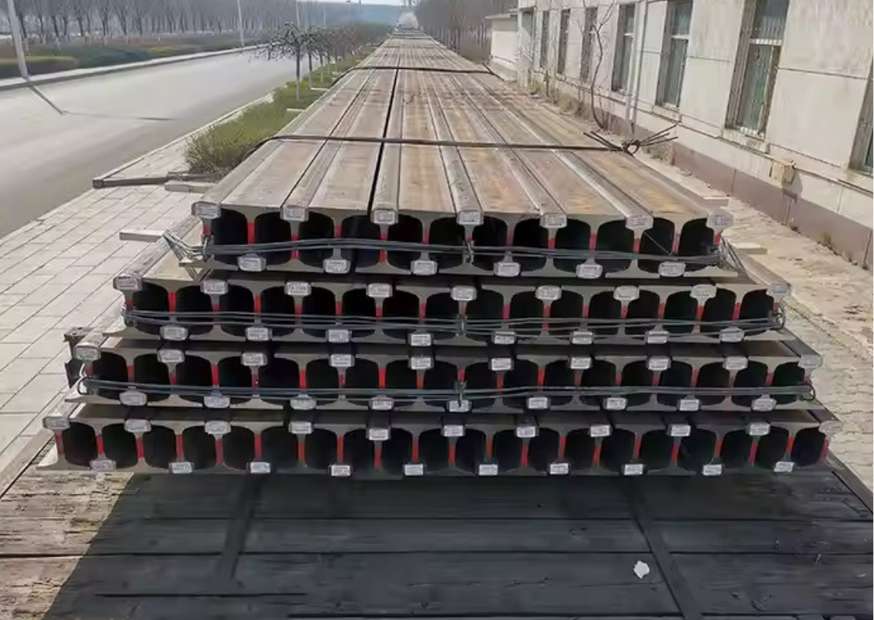
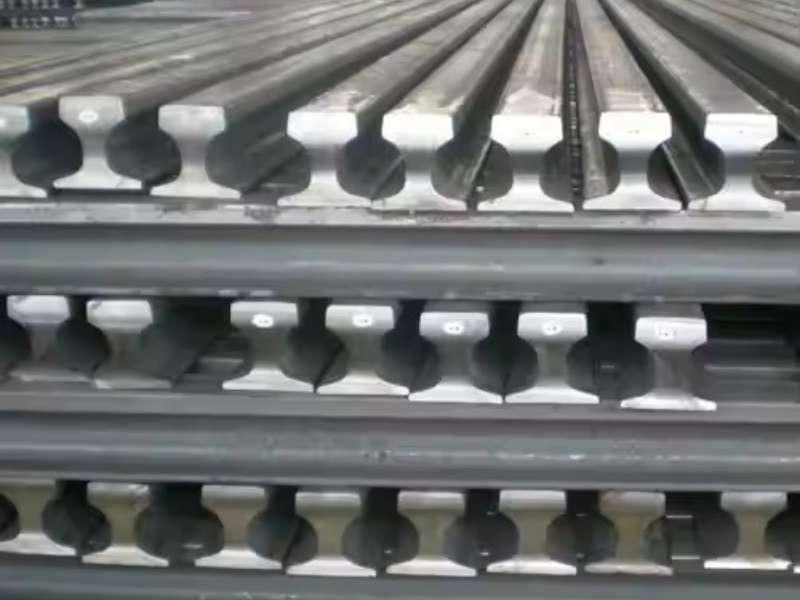
Railway applications revolutionize current transportation. These solutions are necessary in fields including railway engineering, infrastructure, and maintenance, from cutting-edge railway technology applications to durable railway system applications. Railway applications, though, are they? How do they boost transportation efficiency, incorporate new innovation, and influence trends? This essay, Xingrail explores these important topics and the broad and revolutionary realm of railway applications.
Transportation Railway Applications
Modern rail systems play a central role in shaping today’s transportation networks, enabling streamlined operations and enhanced connectivity. Cutting-edge digital solutions drive efficiency across infrastructure and logistics, while strong engineering ensures durable, high-performance systems. Consistent maintenance practices guarantee long-term reliability, and automation enhances train operations by reducing delays and improving consistency. Advanced signaling technologies further improve scheduling accuracy and safety by minimizing collisions and human error. Together, these innovations elevate operational performance and enhance the overall passenger experience.
Equally vital, safety systems have transformed how incidents are managed and prevented. Automated monitoring allows for precise detection of risks and rapid response. Rail transport offers faster, more dependable, and cost-effective freight solutions, meeting the demands of modern commerce. Looking ahead, the integration of AI, smart infrastructure upgrades, and eco-conscious practices will drive greater efficiency while supporting global sustainability goals. As a result, rail remains a backbone of progressive, resilient, and future-ready transport systems.

Port/Dock Railway Applications
Rail systems play a key role in enhancing port and dock operations by integrating seamlessly with maritime logistics. Advanced technologies automate tracking and scheduling, significantly improving freight processing and turnaround times. Specialized infrastructure supports both bulk and containerized cargo with load-specific equipment, while precise signaling systems coordinate train arrivals and departures for smoother traffic flow.
Engineering advancements ensure that rail networks at ports can handle heavy loads and resist corrosion common in coastal environments. Automation enables autonomous loading and unloading, improving efficiency and safety. Monitoring systems actively detect and address mechanical or operational issues, reducing downtime and risks. Looking ahead, AI-powered logistics and sustainable technologies are set to revolutionize port operations, making them more efficient and environmentally responsible. Through these innovations, modern rail solutions are transforming global port logistics into smarter, faster, and safer systems.
Railway Applications in Industry
Rail systems play a vital role in streamlining the movement of materials and products across industrial operations. They connect manufacturing sites with distribution hubs, ensuring efficient logistics. Technologies such as automated scheduling and real-time tracking help minimize supply chain delays and boost overall productivity. Engineering solutions contribute to the construction of durable rail systems capable of handling heavy industrial loads.
Robust infrastructure enhances communication and coordination within complex industrial networks, while automation reduces reliance on manual loading and unloading, further increasing efficiency. Advanced signaling systems help manage traffic flow and reduce congestion in busy industrial zones. Safety is reinforced through monitoring tools that detect mechanical issues and alert operators before problems escalate. Proactive maintenance practices ensure system reliability by preventing failures and minimizing downtime.
Looking ahead, the integration of AI and sustainable technologies promises to enhance productivity while reducing environmental impact. Together, these innovations enable modern industries to meet global demands with safer, smarter, and more efficient transport solutions.
For more detail on this subject, see how railway tracks are made and bearing plates in railway track.
Rail Applications in Tunnels and Mines
Rail transport plays a vital role in tunnels and mines by moving ore, minerals, and personnel efficiently through harsh environments. These systems link extraction points with processing plants, streamlining operations. Specialized technologies support automation and safe handling in confined spaces, while durable infrastructure—such as heavy-load railcars and reinforced tracks—is built to withstand underground conditions. Additionally, advanced signaling systems ensure smooth traffic control and safe train movement in narrow, complex routes.
Railway engineering applications help create rail solutions that can withstand harsh temperatures, shocks, and debris. Automation technologies streamline critical procedures such as material loading and unloading, enhancing operational efficiency. Advanced safety systems monitor for equipment failures and hazardous conditions, enabling early intervention. Robust maintenance solutions for underground rail networks help minimize downtime and ensure continuous operation. Looking ahead, AI integration and eco-friendly innovations will drive greater sustainability and reliability in transport systems. These advancements highlight how modern rail technologies are improving safety, efficiency, and innovation in tunnels and mining operations across the globe.
Railway Applications in Urban Transit Networks
Efficient and sustainable urban transit networks are essential for meeting the needs of growing populations and promoting eco-friendly transportation. Integrated systems combining metro, light rail, and commuter trains enable smooth connections and faster travel. Technologies such as automated scheduling and ticketing enhance operational efficiency and user convenience. Well-designed infrastructure supports increased passenger volumes through structured routes and optimized station planning. Additionally, intelligent signaling systems play a key role in managing traffic flow, improving reliability and ensuring commuter safety.
By streamlining train operations. Railway safety technologies including real-time monitoring systems swiftly identify and mitigate safety hazards. Railway maintenance apps keep systems running smoothly, minimizing disruptions. Future railway transport applications will use AI, sustainable technology, and smart city linkages to increase network connectivity. These methods lessen congestion and environmental consequences and promote urban mobility. These innovative railway applications underpin modern urban transit networks.
Railway Applications for High-Speed Trains
High-speed trains rely on innovative technologies to operate efficiently and safely. Modern railway systems connect cities with remarkable speed and reliability. Real-time data and computerized scheduling enhance overall performance and reduce delays. Engineering advancements contribute to better track and train designs, ensuring stability at high speeds. Additionally, purpose-built infrastructure—including specialized tracks and stations—supports the unique demands of high-speed rail networks.
Signaling systems enhance operational safety by enabling precise train control and minimizing collision risks. Advanced automation technologies improve punctuality and reduce human error. Safety systems rely on powerful monitoring tools to quickly detect and address issues, ensuring passenger protection. Predictive maintenance keeps operations running efficiently by identifying problems before they cause disruptions. Looking ahead, future transport systems will leverage AI-powered analytics and sustainable energy to support eco-friendly, high-speed networks. These innovations illustrate how technology and creativity are transforming high-speed rail to meet modern demands for safety, efficiency, and sustainability.