Quality port crane rail fixings are important to port crane safety and endurance. How can these fixes be properly placed and what are their common types? Every aspect matters, from correct port crane rail installation to regular port crane rail maintenance. Precision port crane rail replacement, alignment. This post answers all your questions concerning these important components’ materials and safety regulations. In this article, Xingrail will discuss how expert inspection, assistance, and modifications improve performance and reliability.
What Are Port Crane Rail Fixings?
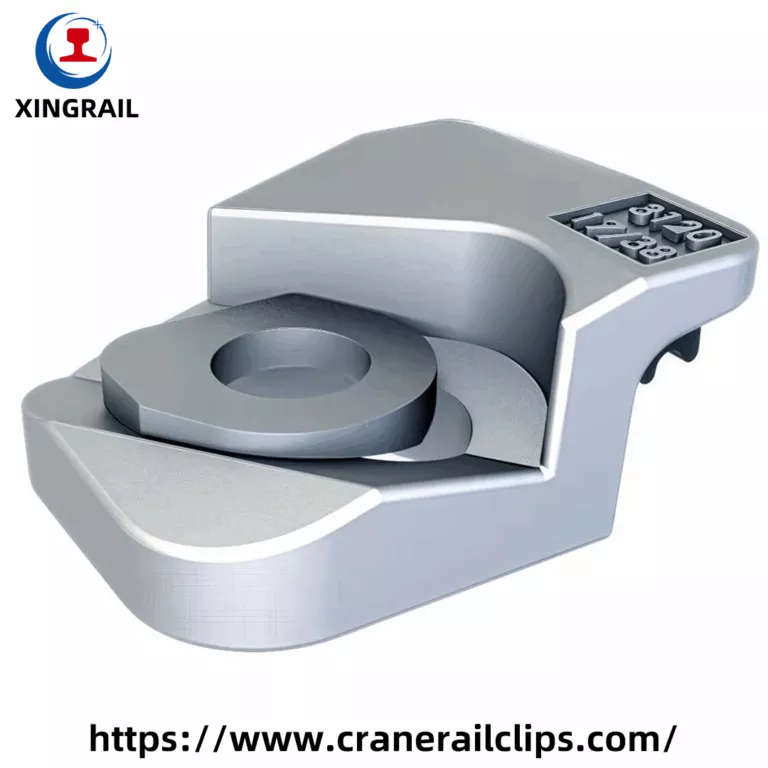
Port crane rail fittings secure crane rails in port terminals, ensuring stability and smooth operation under enormous loads. They support port crane rail installation. These crane-specific bolts, clamps, and weld-on plates are available. For corrosion and excessive stress, high-strength steel is employed. These fittings secure rails and allow port crane rail inspection and maintenance.
They are necessary for port cranes because of their properties. When rail replacement or welding is needed, their versatility allows seamless rail modifications and exact alignment. Durable fasteners can withstand seawater exposure, decreasing wear and tear. Properly constructed fixings fulfill strict safety regulations. They also streamline maintenance and installation. From initial installation to long-term support, these fittings integrate with port crane rail support systems to improve functionality and optimal performance in harsh port environments.

Types of Port Crane Rail Fixings
Port crane rail fittings come in many varieties to satisfy port operational needs. Bolted rail fittings are popular for their durability and simplicity. These have high-strength bolts and plates for secure port crane rail installation and easy adjustment. In contrast, welded rail fixes provide lasting stability in settings that require it. Precision welding bonds rails to bases. Their durability makes them ideal for tough environments.
Rails can be easily adjusted during port crane rail replacement or maintenance with adjustable rail fittings. Fine adjustments optimize port crane rail support and ensure perfect alignment without delays with these fixings. Insulated rail fittings safeguard crane systems from electrical interference in electrically insulated settings. They improve safety and functionality using wear- and corrosion-resistant materials. Adjustable and insulated fittings improve port crane rail maintenance by simplifying inspections and reducing downtime. Each sort of fastening helps crane systems run smoothly and safely.
Benefits of Port Crane Rail Fixings
Heavy-duty port operations require port crane rail fittings due to their stability and load-bearing capabilities. These bolts securely anchor crane rails. Their sturdy construction reduces misalignments and port crane rail adjustment. These fittings assist smooth transitions and productivity during port crane rail installation and replacement under large weights. They improve port crane rail support to keep rails in place during high-capacity operations.
Corrosion resistance makes port crane rail fixings more durable in harsh marine conditions. These fixes last longer in saltwater, humidity, and other severe circumstances because to their high-strength, corrosion-resistant materials. This robustness minimizes port crane rail maintenance and. Regular port crane rail inspection validates reliability, preventing disruptions and upholding safety standards. Durable and cost-effective improve performance and operating efficiency.
You may also find gantry rail clip solutions helpful.
Selecting Port Crane Rail Fixings
Choosing port crane rail fixings involves careful consideration of numerous elements to ensure crane operation and reliability. Since fixes must support port operational weight and frequency, load requirements should be the first consideration. Assess the environment, especially in saltwater and humidity-exposed marine environments where corrosion-resistant materials are needed. To choose fasteners that meet the required port crane rail alignment and sustain flawless operations under extreme stress, evaluate the rail type during port crane rail installation. These considerations reduce port crane rail maintenance and unexpected modifications.
Customization options make port crane rail fixings more suitable for unique applications. Container-handling crane fixings may prioritize stability and speedy port crane rail replacement, whereas high-capacity bulk material handling systems may have stronger anchoring mechanisms. Specific coatings or treatments can resist corrosion or last longer in severe situations. Expert consultation ensures that fixings connect seamlessly with port systems. Ports increase safety and efficiency in many applications by customizing fixes to assure longevity, stability, and low downtime.
Why Choose Xingrail?
Xingrail is a trusted leader in port crane rail clips, with years of experience. We bring years of expertise to port crane rail fixings, ensuring precise alignment, easy installation, and reliable performance for heavy-duty operations. We design solutions to withstand harsh marine environments and high loads while reducing replacement needs. Using advanced materials and corrosion-resistant coatings, we deliver durable and efficient systems tailored to port-specific demands.
Our solutions ensure easy port crane rail installation, precise port crane rail alignment, and reliable support for heavy-duty operations. Choose Xingrail for expert-crafted, durable made to handle the toughest demands!