Installing an overhead crane rail system requires precision and skill. From crane rail alignment and leveling to welding and support structures, every aspect affects safety and efficiency. This step-by-step tutorial covers the crane rail installation process, typical issues, and maintenance and inspection advice. Safety and alignment issues will also be covered. This tutorial, Xingrail will help you get started on a crane rail system installation or upgrade.
What Are the Basic Requirements for Overhead Crane Rail Installation?
A thorough site inspection and preparation precedes overhead crane rail installation. The rail support structure must meet load capacity and standards for safety and efficiency. Measurements to ensure accurate overhead crane rail alignment and marking sites for insertion are the first phases in the crane rail installation process. Rail leveling and welding processes help create a sturdy and durable system. Even a small mistake can impair the crane’s performance and safety, so professionals must address these basics.
Safety and precision are necessary during installation. Continuous overhead crane rail inspection ensures alignment correctness and early problem detection. Teams must follow a crane rail installation guide to handle uneven surfaces and complex layouts. Post-installation overhead crane rail maintenance keeps the system efficient. Welding joints and structural supports are checked periodically. Proper care also prevents misalignment and wear, which might hinder operations. By following these criteria, industries can improve crane rail system installation safety and performance.

Crane Rail Installation Steps
-
Marking and leveling the installation area
To lay a strong foundation for an overhead crane rail installation, mark and level the area. Precision measurements and crane rail leveling methods establish a homogeneous surface for overhead crane rail alignment. To ensure design compliance and crane load resistance, the installation team must carefully inspect the rail support structure. Accurate marking prevents misalignment, which could damage crane rail system installation. Professionals should immediately correct uneven locations to improve rail placement and system performance.
-
Laying down the crane rails with precision
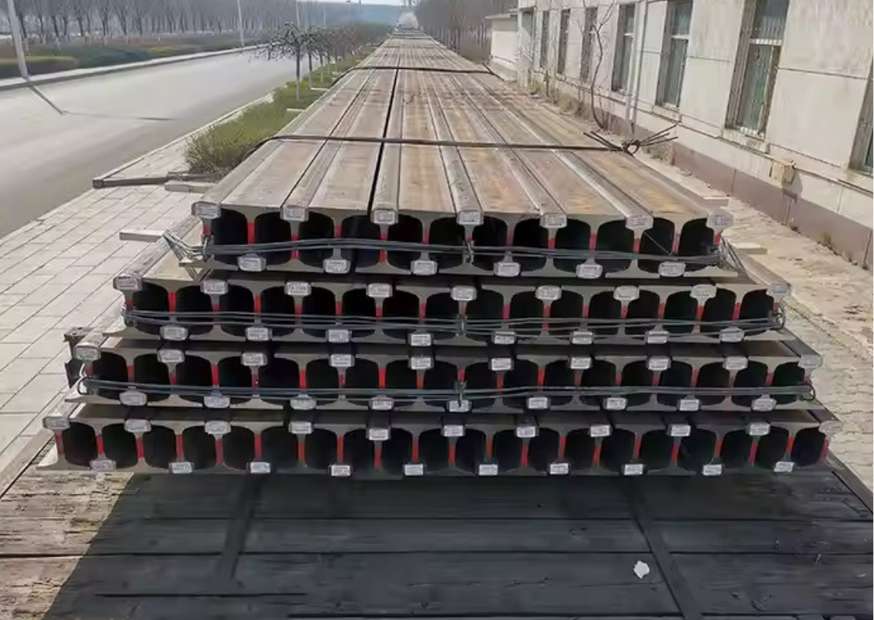
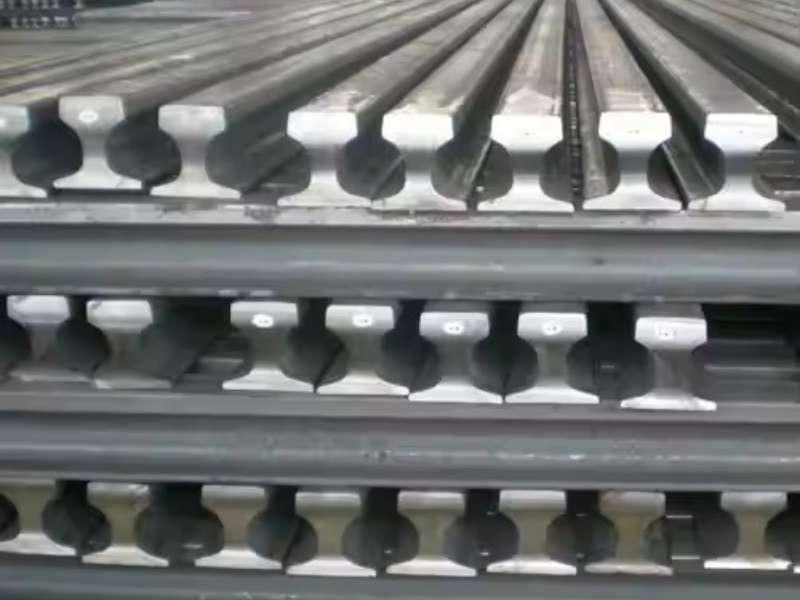
After preparation, workers carefully place crane rails. They use crane rail welding techniques to secure sections flawlessly, and they follow a precise crane rail installation guide to ensure proper placement of each rail. Regular overhead crane rail inspections detect misplacements and abnormalities. After placement, proper rail installation provides durability and stability. Every step requires technical and safety considerations to reduce accident risk. Precision and maintenance requirements like overhead crane rail maintenance keep the installation reliable and efficient for operating purposes.
You may also find overhead crane rail track, overhead crane rail clips, welded rail securing systems and gantry rail clip solutions helpful.
How to Ensure Overhead Crane Rail Alignment
Any crane system needs adequate overhead crane rail alignment for stability and safety. First, the crane rail support structure is inspected to ensure it satisfies specifications and can withstand operational loads. The installation team follows a crane rail installation guide to measure and mark rail placement positions. To avoid misalignment, crane rail leveling procedures flatten uneven surfaces. The overhead crane rail installation process is solidified by this stage.
After marking and leveling, rails are precisely placed. Overhead crane rail alignment tools and methods ensure straightness throughout, preventing operating difficulties. An overhead crane rail inspection detects deviations early, allowing installation fixes. Crane rail welding techniques eliminate gaps or shifts that could affect performance by firmly joining rail sections. To ensure long-term reliability, alignment and weld quality are regularly evaluated. Proper alignment improves crane rail system installation efficiency and saves wear and tear, reducing overhead crane rail maintenance. Following these alignment procedures assures crane safety and functionality.
Before the runway is commissioned, fit a rail end stop at each end so the crane is arrested safely if the limit switch fails.
Overhead Crane Rail Maintenance Tips
Effective overhead crane rail maintenance extends crane life and prevents downtime. Routine overhead crane rail inspection can detect wear, structural problems, and alignment difficulties. Overhead crane rail alignment can affect efficiency and equipment failure. Refer to a crane rail installation guide for standards and variances. Check the rail support structure to ensure it can handle load needs over time. Check welding joints for fractures or weaknesses using dependable crane rail welding techniques.
Clear the rail surface of debris and corrosion that could affect crane rail system installation. Reduce friction and wear by lubricating moving parts. To maintain a smooth, even surface for safe crane operation, use crane rail leveling methods during maintenance. Documentation is important for overhead crane rail maintenance. Keep detailed records of inspections, repairs, and modifications to guide future actions and prevent issues. Also, train workers to spot difficulties during daily operations for prompt intervention. These practical tips improve system dependability and efficiency in tough industrial applications.
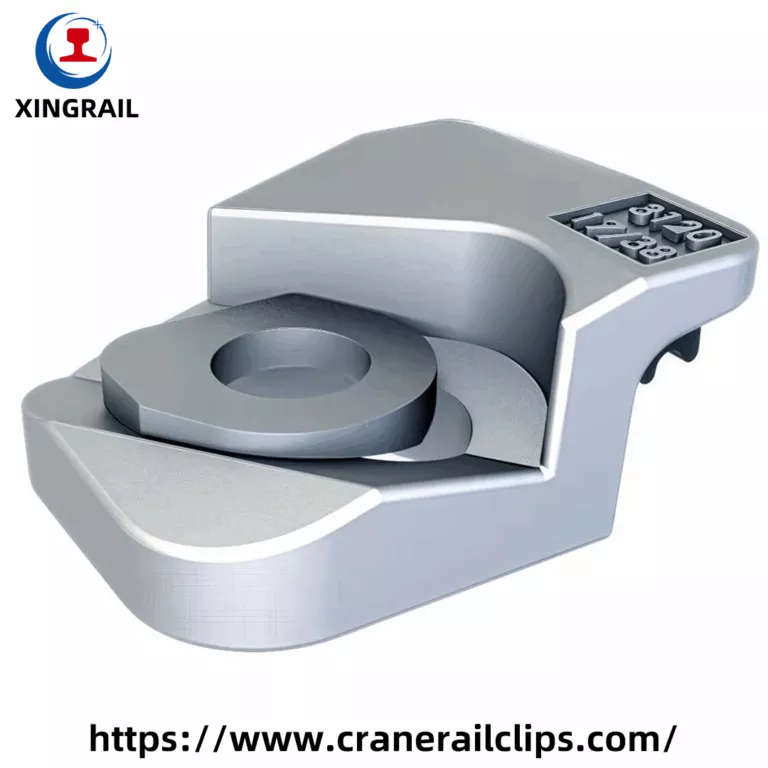
At Xingrail, we specialize in providing reliable solutions for overhead crane rail installation. Our precision-engineered products and expertise ensure proper alignment, safety, and efficiency in every project. Built with durable materials, our crane rail clamps and components withstand demanding industrial environments. Trust us to support your track installation needs with innovative and efficient rail fastening systems.