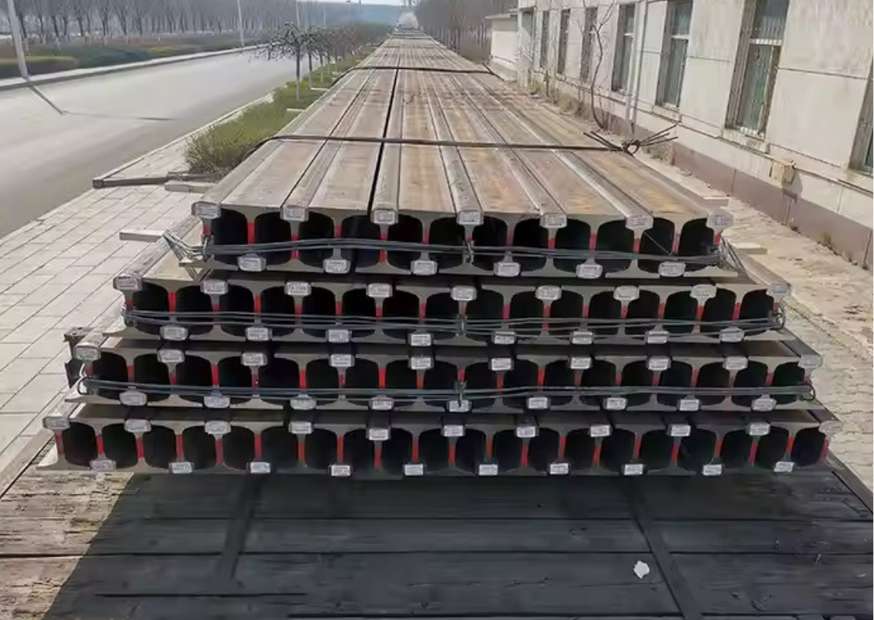
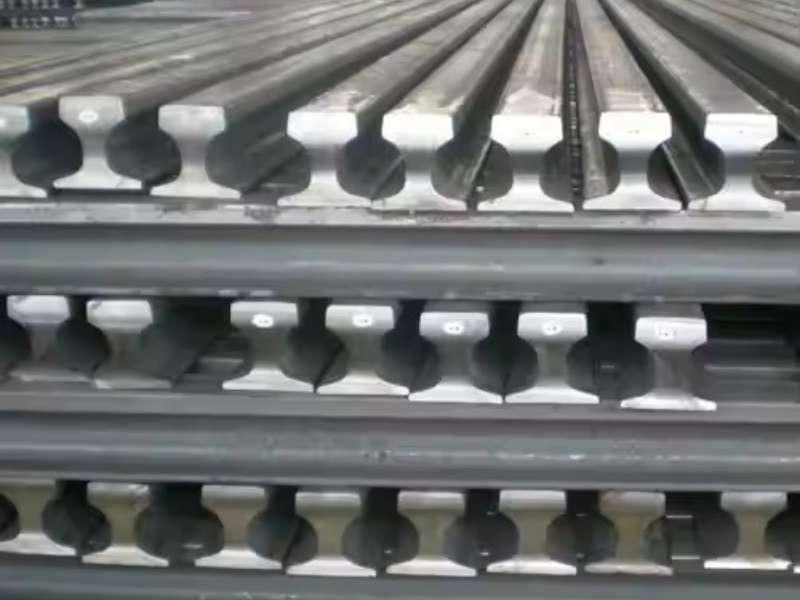
Modern railway rails are made of steel to withstand tremendous pressure and conditions. Why is railway track material steel important? This blog explores the varieties of steel used in railway tracks. What materials are used to create railway tracks? Steel is chosen. Why? What properties optimize performance? We’ll cover everything about this rail staple, from its manufacturing to its unmatched strength and maintenance needs. Xingrail discover the science behind its reliability.
Types of Railway Track Material Steel
Steel tracks are necessary to train infrastructure reliability and lifespan. Steel is the strongest, toughest, and most wear-resistant material used to create railway tracks. Engineers treat this high-carbon alloy to withstand enormous weights and constant impact in rail transit. Durable and tensile steel used in railway tracks resists deformation and breaking. For hardness and flexibility, manganese is often added. Because steel can endure high-speed trains and environmental conditions, it is the industry standard for railway rails.
Manufacturers rely on accurate engineering to achieve performance criteria when it comes to the types of steel for railway tracks. The carbon content and treatment techniques determine the railway track steel grade. High-carbon steel is hard, while medium-carbon steel is strong and springy. Hot rolling and controlled cooling improve metallurgical characteristics. Specialized rail steels undergo heat treatments to harden the head while keeping web and base flexibility. This material performs well in harsh environments and requires less maintenance over time. These materials are important for high-traffic routes and large freight corridors because they can withstand constant strain. Steel is a versatile and necessary material for railway track construction due to grade and composition advancements.

Applications of Railway Track Material Steel
Beyond its usage as a train support, railway track material steel has many other uses. Railway track steel is designed to withstand heavy weights, wear, and weather. It is ideal for high-speed rail and freight routes due to its strength and durability. The railway track steel composition. These qualities allow tracks to resist continual compression without deformation. Modern infrastructure projects like metro systems and long-distance railways use steel because of its resilience.
Manufacturers meticulously produce railway track steel to meet specialized requirements, using distinct types for different applications. They use highly durable high-carbon steel for heavy-traffic routes, while medium-carbon steel suits the more elastic demands of urban rail networks. Hot rolling and sophisticated heat treatments optimise railway track steel grade mechanical qualities for lifetime. This precision engineering reduces maintenance and improves dynamic load performance. With advancements for different environments, railway track material steel continues to shape reliable rail transport networks globally.
What are the Different Types of Steel used for Railway Tracks?
Railway tracks are mostly made of high-carbon and medium-carbon steel. High-carbon steel is popular for its toughness and durability under severe loads. Freight and high-speed train systems employ it because continual pressure and friction require maximum durability. The railway track steel composition includes manganese for wear resistance and hardness. However, medium-carbon steel is ideal for metro systems and urban transit because to its flexibility and strength. These unique qualities help rail networks operate efficiently.
Engineers carefully choose the railway track steel grade based on the application. They hot-roll high-carbon steel grades and apply advanced heat treatments to enhance hardness and wear resistance. Increasing railway track steel durability and strength reduces maintenance needs. Engineers create alloyed steels with chromium or molybdenum for routes that require corrosion resistance. Engineering precision ensures continuous performance in railway track steel manufacturing. Steel is necessary in worldwide rail systems because these procedures allow it to withstand harsh conditions.
For more detail on this subject, see railroad rail weight per foot, rail weight by type and size and rail weight calculator.
What are the Key Properties of Railway Track Material Steel?
Steel is useful for rail transport due to its unique characteristics. Engineers favor steel for railway tracks because of its high tensile strength. Carbon and manganese strengthen the steel’s material properties, such as toughness and wear resistance. These features increase hardness and flexibility. Steel has great fatigue resistance.
Steel used in railway tracks is further defined during manufacture. Hot rolling and heat treatments refine high-carbon steel’s molecular structure for durability in railway track steel grades. This protects the material from cracking and other stress over time. To meet rail system needs, alloyed steels are chosen for corrosion and extreme temperature resistance. Railway track steel strength and longevity, along with low maintenance, dominate modern infrastructure. These special properties show why steel is necessary for building reliable and efficient rail networks worldwide.
Why are Different Steel Types Used for Various Railway Applications?
Steel for railway track has many varieties designed for various needs. Due to its superior hardness and resistance to intense loads, high-carbon steel is employed in high-speed and heavy freight systems. Its high-carbon railway track steel composition makes it wear-resistant and stress-resistant. However, medium-carbon steel is ideal for metro systems and urban transit lines that prioritize continuous flow due to its flexibility and robustness. Steel used in railway tracks meets different operational needs while retaining performance and safety.
Engineers choose the railway track steel grade and composition based on each application’s environment and traffic. They use hot rolling and advanced heat treatments to create stress-resistant materials. For corrosion resistance and longevity, tracks for harsh weather or high salinity may employ alloyed steels with chromium or manganese. Railway track steel durability and low maintenance make it a cost-effective option for worldwide train infrastructure. Different steel grades help contemporary railways meet operational and environmental issues.
At Xingrail, we know the strength, durability, and reliability of steel are vital to modern rail systems. If you’re looking for top-quality railway track materials or tailored solutions, we’re here to help. Contact us today to explore how our expertise can support your rail project needs.