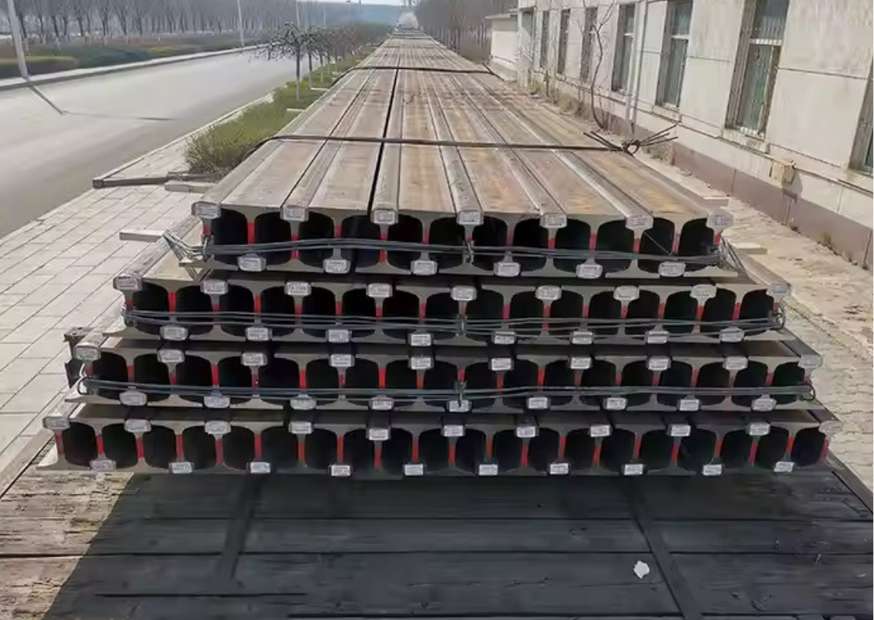
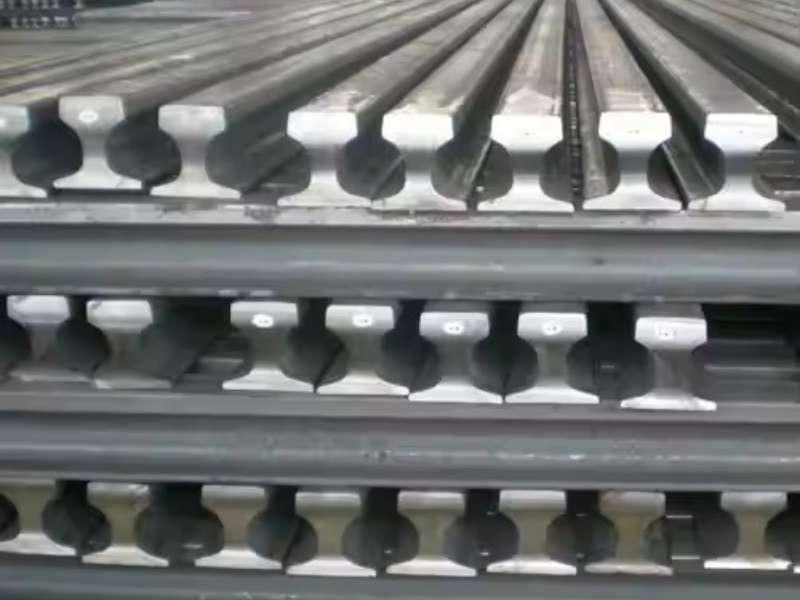
UK railway infrastructure is efficient, safe, and accessible thanks to the complex web of British rail standards. Knowing the purpose of UK rail infrastructure standards and who maintains them is important to understanding their role in keeping the nation moving safely and effectively. In this post, Xingrail will explore UK rail standards.
Key Components of British Rail Standards for Tracks
UK rail standards for tracks include specific rules for safety, functionality, and sustainability across the network. These necessary rail safety standards UK govern track design, construction, and maintenance. To address operating needs, British railway standards ensure rail gauge, material quality, and alignment precision. UK rail infrastructure standards prioritize durability and resilience to reduce interruptions and ensure reliability. British train standards and freight operations are supported by safety measures. This alignment ensures UK rail standards operate smoothly across routes.
In order to apply British rail standards, inspections and conformity assessments are important. UK railway safety rules require new track monitoring technologies to increase safety. Guidelines address necessary functionality and accessibility to ensure the system accommodates all. The goal of these British rail standards for infrastructure is to establish inclusive networks with clear operational norms. Rail operators and oversight agencies collaborate to maintain high-quality, strong networks while satisfying accessibility and environmental goals.

What Are the Specific British Rail Standards for Track Safety?
UK rail standards for track safety outline important practices and benchmarks for operational reliability and passenger security. These criteria stress track integrity through accurate design and excellent materials. To ensure network safety, rail alignment, ballast depth, and sleeper spacing are standardized. UK rail standards address load management to ensure lines can sustain both British train standards and freight services without compromising stability. Alongside durability, rail safety standards UK require regular and rigorous inspections to identify potential hazards and prevent accidents.
British railway standards are implemented using defined rules and strict oversight. UK railway standards integrate automated monitoring technologies to detect wear and misalignment. To ensure stations, platforms, and tracks meet different passenger demands, rail infrastructure standards UK contain accessibility provisions. These approaches promote rail network sustainability and efficiency. Oversight bodies work with operators and stakeholders to enforce and improve these requirements. These efforts, along with laws, ensure railway infrastructure safety and resilience.
You may also find DIN 536 rail track helpful.
How Do British Rail Standards Ensure the Durability of Tracks?
Through strict construction, inspection, and maintenance criteria, British rail standards assure track durability. These standards specify rails, sleepers, and ballast to resist high use. UK rail standards emphasize perfect track alignment and load distribution to prevent wear and extend life. Railway safety standards in the UK require inspectors to conduct regular checks to detect flaws and misalignments. Ultrasonic testing and track geometry monitoring let engineers apply these standards quickly.
British railway standards emphasize resilience to weather and environmental issues. UK railway standards address drainage systems and thermal stress management to ensure rails are stable in different weather. Rail infrastructure standards UK demand sturdy designs that accommodate passenger and freight services. Regulatory organizations and operators work together to enforce durability-focused initiatives. The oversight bodies set and enforce these laws while promoting innovation to improve track systems. These initiatives, together with rigorous adherence to British train standards, provide a railway infrastructure that fulfills current needs while also being sustainable for future generations.
What Materials Are Recommended Under British Rail Standards for Infrastructure?
The British rail standards suggest careful material selection to maintain infrastructure quality and operating efficiency. High-grade steel is necessary for railroads due to its tensile strength and longevity. Pre-stressed concrete sleepers improve stability and reduce maintenance. UK railway standards emphasize crushed stone ballast for track alignment and vibration absorption. Other wear-resistant parts include fasteners and joints made of alloys. Together, these materials meet UK rail standards.
At Xingrail, we understand the critical role British rail standards play in ensuring safety, durability, and efficiency across the UK railway infrastructure. These standards create a robust framework that supports reliable operations while prioritizing passenger security and environmental sustainability. We remain committed to leveraging our expertise to support and meet these standards, driving forward innovations that enhance the future of railway networks in the UK and beyond.