For secure, long-lasting, and effective train systems. From durable steel to sophisticated building methods, each material has benefits specific to railway track components and applications. Heat-treated and carbon steel rails affect railway track steel resilience and longevity, as discussed in this tutorial. Railway track design, installation standards, and material selection criteria will be discussed. Explore how these materials will shape high-speed systems and large freight networks.
Which Railway Track Materials Are Used?
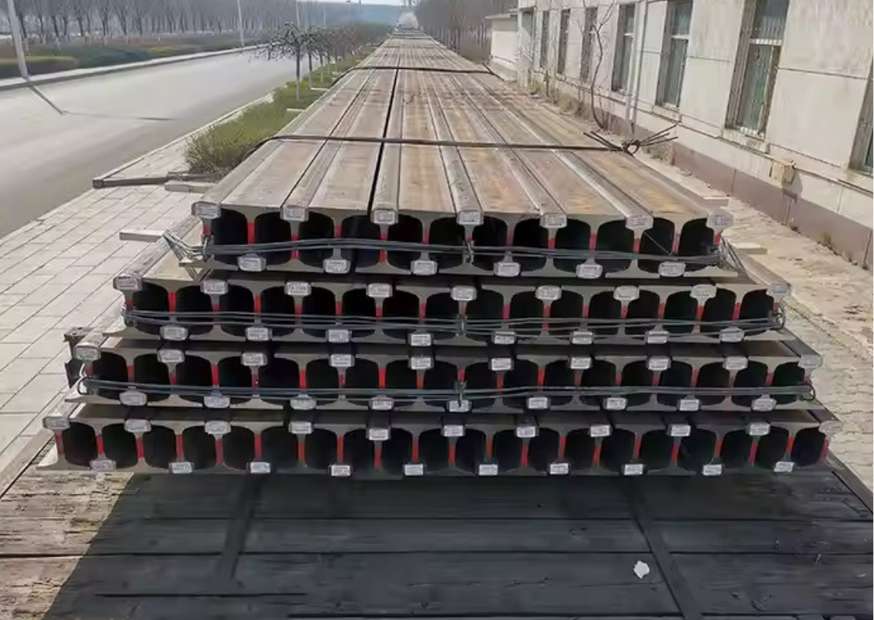
Railway track material is important to rail system durability, efficiency, and safety. Steel is the most frequent material for railway track components due to its strength and flexibility. Because of its cheap and tensile strength, carbon steel is widely used. However, heat-treated steel is appropriate for high-speed and heavy freight operations due to its wear resistance and toughness. If durability is needed, alloy steel with chromium or vanadium is a good alternative. Because they stabilize different rail conditions, these materials affect railway track design and construction. Crushed stone ballast layers support the rails by decreasing vibration and enhancing drainage.
Steel sleepers and ties are sometimes replaced by concrete and wood. Concrete sleepers survive longer and require less maintenance. While more traditional, wood ties are still utilized in some locations because they are flexible and easier to replace. In various railway track types, designers choose materials for mainline high-speed rails or industrial tracks carrying greater loads. Cost, environmental conditions, and estimated load influence material decisions to ensure tracks satisfy specifications and work dependably. The debate of material types and their uses is important to rail infrastructure development since the selection of materials influences not only durability but also the ease of railway track installation and maintenance in the future.

How Does Railway Track Material Composition Impact Performance?
Railway track material influences performance, durability, and efficiency. Railway track components are stabilized by steel, concrete, and wood, among other materials. For railway track construction, steel is the preferred material due to its strength and flexibility. Carbon steel is economical and reliable, whereas heat-treated steel is perfect for high-speed rails because it resists wear and large loads. Chromium and manganese boost hardness and fatigue resistance in alloy steel. These features make railway track design resistant to operational strains and harsh climatic conditions. Steel tracks with crushed stone ballast decrease vibration, improve drainage, and preserve alignment.
Railway track maintenance and longevity depend on choosing the correct material. In locations that need flexibility, wood ties are still utilized, but concrete sleepers are more durable and cheaper. Each material contributes differently for urban transit or large freight railway track types. Material selection matches railway track specifications and standards based on traffic load, climate, and maintenance needs. Durability, maintenance, and service life are improved by a good composition. System efficiency depends on material compatibility with ground conditions and operating environment during railway track installation. Thus, understanding how each component affects track performance enables a stable and sustainable railway network.
What Is Best for Heavy Loads?
Heat-treated steel is the best railway track material for heavy weights due to its strength and longevity. Controlled heating and cooling increase the hardness and wear resistance of heat-treated steel. This makes it ideal for tracks with heavy freight trains. Also, alloy steel, can withstand large weights and fatigue. These materials and strong railway track components like baseplates and fasteners maintain stability and reduce wear and distortion. These sophisticated materials support large freight and meet railway track standards.
Because crane rails face point-contact stress rather than the distributed load of train wheels, compare crane rail steel grades before selecting track material for a runway.
Optimizing railway track construction for big loads goes beyond steel selection. Superior weight distribution and resilience under intense pressure make concrete sleepers ideal for such applications. Cracking and deterioration are prevented by this substance. Ballast cushions alignment and aids drainage, so designers must consider it. Crushed stones of certain sizes help dampen heavy train vibrations. Following comprehensive railway track specifications during railway track installation ensures that all elements work together to operate under challenging situations. Modern rail infrastructure relies on heat-treated steel and concrete to increase track efficiency and reduce maintenance.
How Do Manufacturing Processes Enhance Quality?
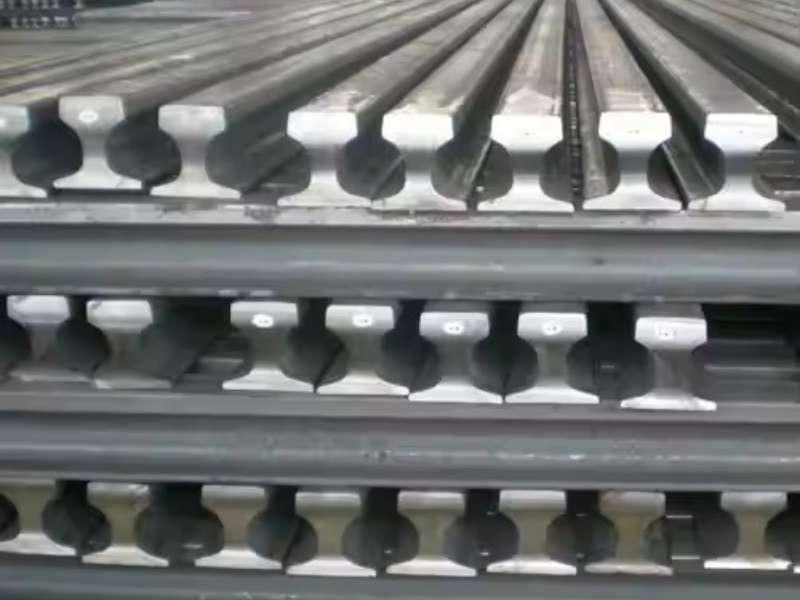
Manufacturing procedures improve railway track material strength, durability, and consistency. Heat treatment turns raw railway track steel into strong components that can withstand heavy weights and high speeds. Controlled heating and cooling improves wear resistance and fatigue strength. Chromium and manganese are added during production to increase hardness and reduce rail deformation under stress. Precision rolling ensures railway track specifications are uniform.
Advanced metallurgical methods reduce impurities. This is significant in railway track maintenance, where consistent material qualities prevent unexpected breakdowns and improve track life. Steel compositions are refined to resist corrosion in severe climates. These enhancements meet railway track standards. Modern methods now check for dimensions, tensile strength, and surface finish before assembling of railway track components. These innovations simplify railway track installation and lower maintenance costs.
At Xingrail, we understand the importance of selecting the right railway track materials to ensure durability, safety, and performance. Steel, especially heat-treated and alloy varieties, provides strength and resilience for heavy loads and high-speed operations. Concrete sleepers and crushed stone ballast enhance stability and reduce vibration. By combining advanced manufacturing techniques with precise material choices, we deliver reliable and efficient rail systems. We commit to supporting your rail infrastructure needs with quality solutions designed to perform and last.
Recommended Products for Various Railway Track Materials
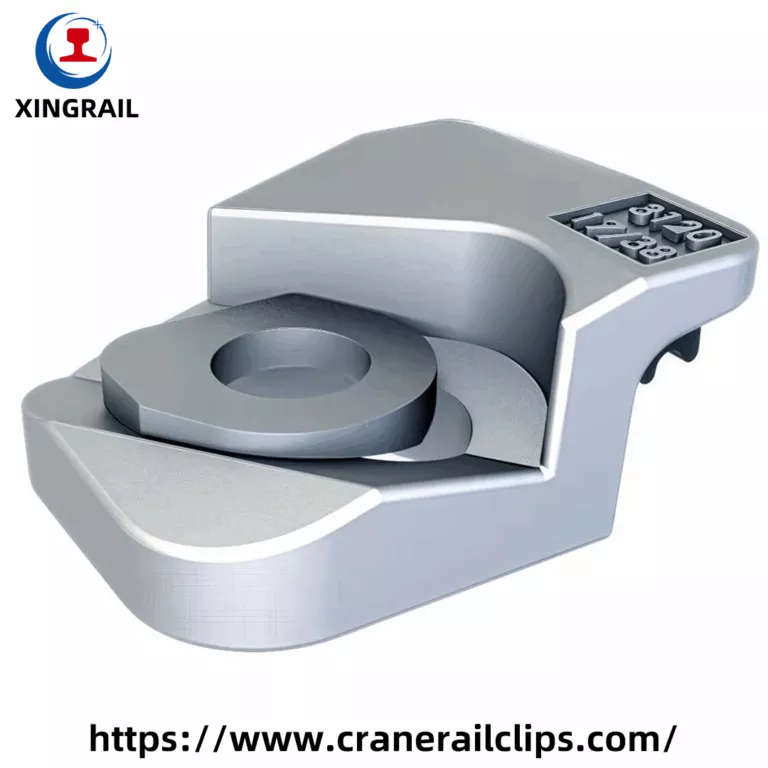
Selecting the right railway track material—whether standard carbon steel or advanced heat-treated alloy—is only the first step in building a resilient rail system. Even the strongest steel rails will fail if they are not properly secured. To maximize the durability of your heavy-duty tracks, you must pair your chosen rail profile with a high-performance fastening system engineered to handle immense dynamic loads.
When choosing a rail clip, the most critical specification is the physical base width of your rail. Heavy-haul networks utilizing robust heat-treated steel tracks typically feature wider rail bases to distribute massive axle weights. Your rail clip must sit completely flush against this bottom flange. A perfect fit guarantees the fastener applies continuous, heavy downward pressure known as toe load. This relentless clamping force pins the track firmly to the sleeper or baseplate, absorbing high-frequency vibrations and preventing the severe lateral thrust of passing trains from widening the track gauge.
To help you secure your track infrastructure, we have matched our premium heavy-duty rail clips with common rail profiles used in modern railway construction. Review the table below to find the correct fastening solution for your specific track material and dimensions.
|
Rail Type |
Base Width |
Height |
Weight |
Recommended Clips |
|
UIC 54 (Carbon/Alloy Steel) |
140.0 mm |
159.0 mm |
54.77 kg/m |
32 Series Bolted Rail Clips |
|
115 RE (Carbon/Alloy Steel) |
139.7 mm |
168.3 mm |
56.90 kg/m |
32 Series Bolted Rail Clips |
|
UIC 60 (Heat-Treated Steel) |
150.0 mm |
172.0 mm |
60.21 kg/m |
9 Series Welded Rail Clips |
|
136 RE (Heat-Treated Steel) |
152.4 mm |
185.7 mm |
67.50 kg/m |
9 Series Welded Rail Clips |
For a deeper look at the subject, see what train tracks are made of and bearing plates in railway track.
Frequently Asked Questions (FAQs)
- How does my choice of railway track material influence my rail clip selection?
Heavy-duty track materials, like heat-treated steel, support massive freight loads and high-speed trains. These heavy-capacity operations utilize larger rail profiles with wider base widths, such as the 136 RE. You must select heavy-duty rail clips engineered specifically to grip these wider footprints to ensure the fastener delivers the necessary structural stability. - Are 9 Series Welded Clips suitable for heat-treated steel rails carrying heavy loads?
Yes. Track engineers rely on heavy, heat-treated steel rails to endure immense axle loads and extreme fatigue. Heavy trains generate severe lateral forces that attempt to push these tracks apart. You weld the 9 Series clips directly to the steel foundation, creating an unyielding structural anchor. This permanent bond securely grips the wider rail base and completely neutralizes extreme, high-speed vibrations. - Why must I match the rail clip precisely to the base width of my chosen track material?
Your rail clip only functions correctly if it perfectly matches the rail’s foot profile. If you install a clip designed for a narrow base onto a wide UIC 60 alloy rail, the fastener cannot seat properly against the flange. A flush fit ensures the clip applies the maximum downward clamping pressure needed to lock your track material securely in place. - Can I use 32 Series Bolted Clips with standard carbon steel rails like the 115 RE?
Absolutely. Engineers frequently use standard carbon steel rails like the 115 RE for mixed-traffic and conventional passenger lines. These rails feature base widths just under 140 mm. The 32 Series Bolted Clips perfectly match this base size. They deliver strong downward pressure while giving maintenance crews the flexibility to easily loosen the bolts for routine geometry adjustments. - What happens if my fastening system fails on a high-speed alloy steel track?
Using a mismatched or inadequate rail clip on high-speed or heavy-haul tracks destroys system integrity. If the fastener housing fails to seat flush against the rail flange, you instantly lose the essential toe load. The intense weight and vibration of passing trains will rapidly shake the unsecured rails loose, leading to dangerous gauge widening and an immediate risk of derailment.