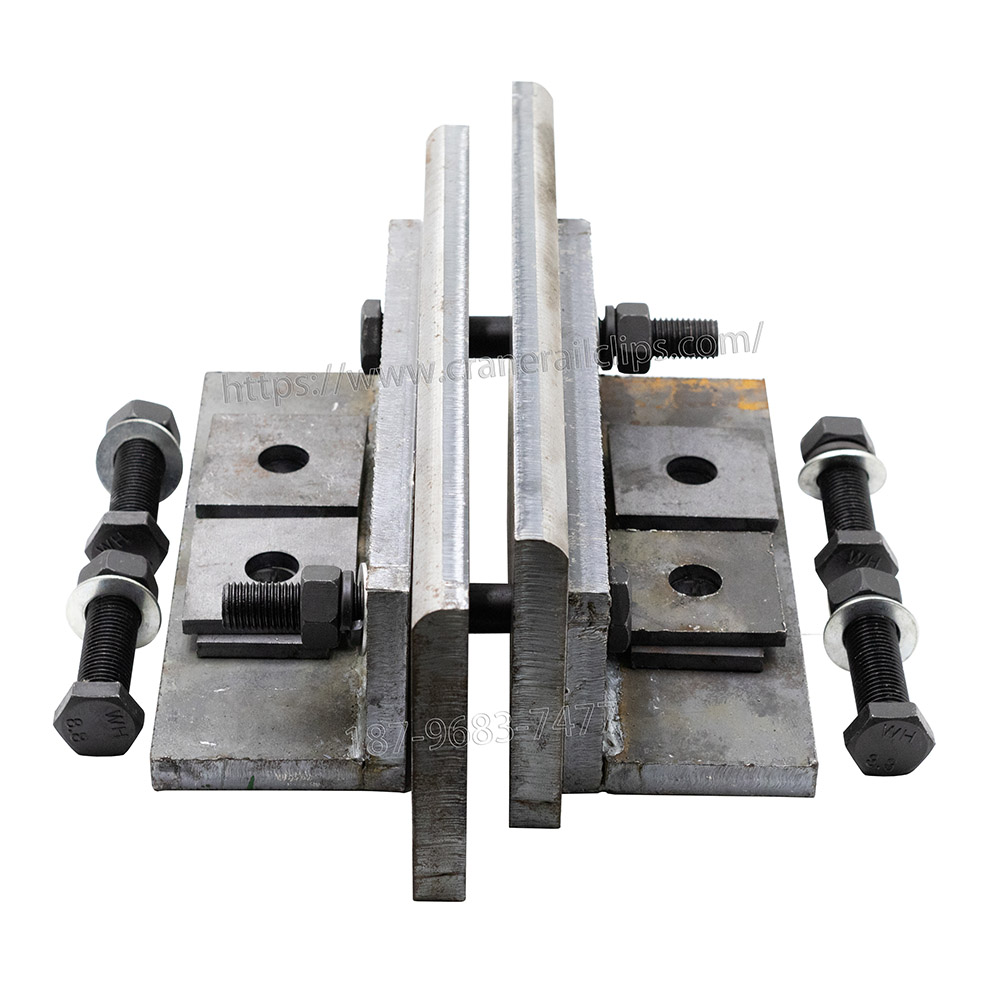
Discontinuous Rail Mounting: Design Rules for Discrete Sole Plates
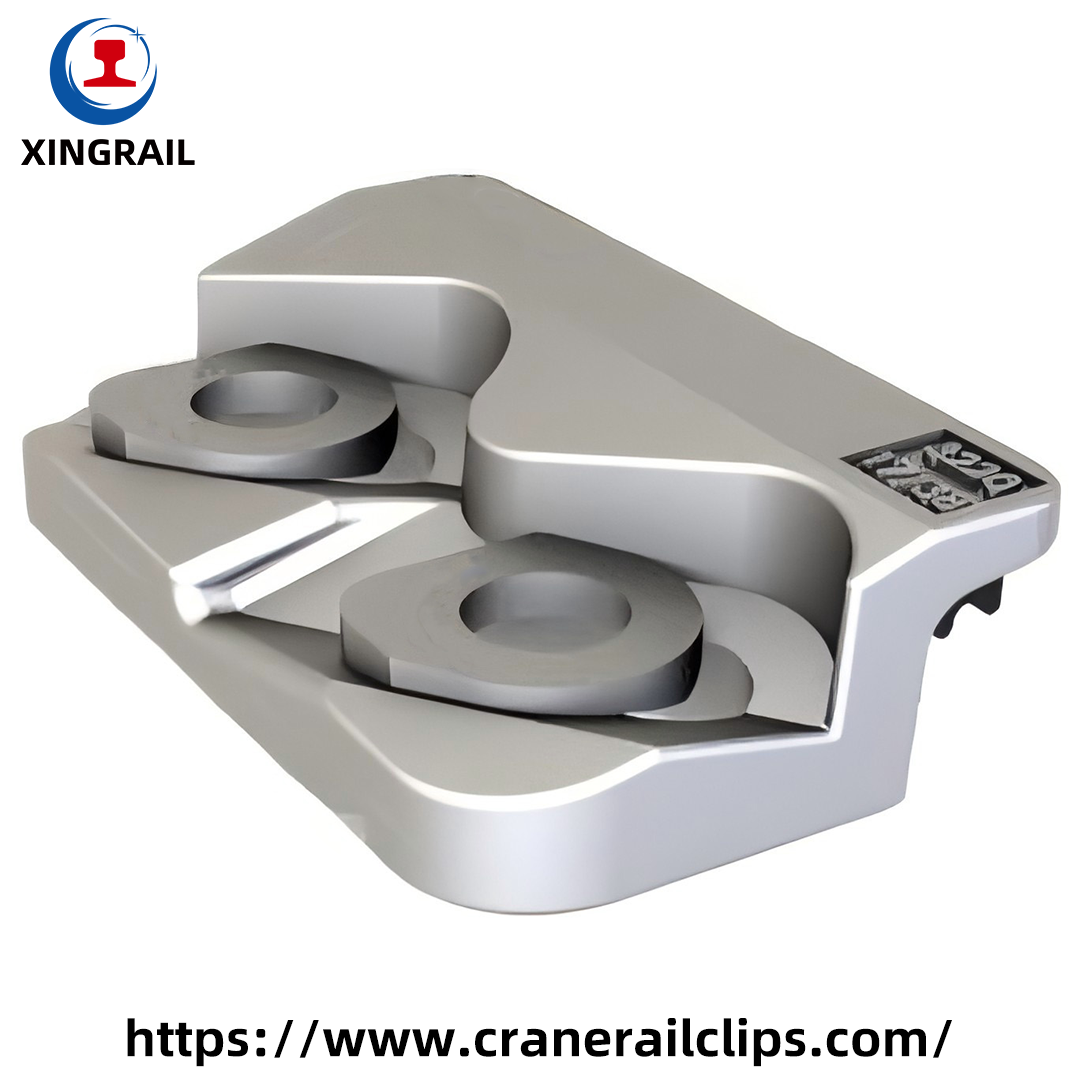
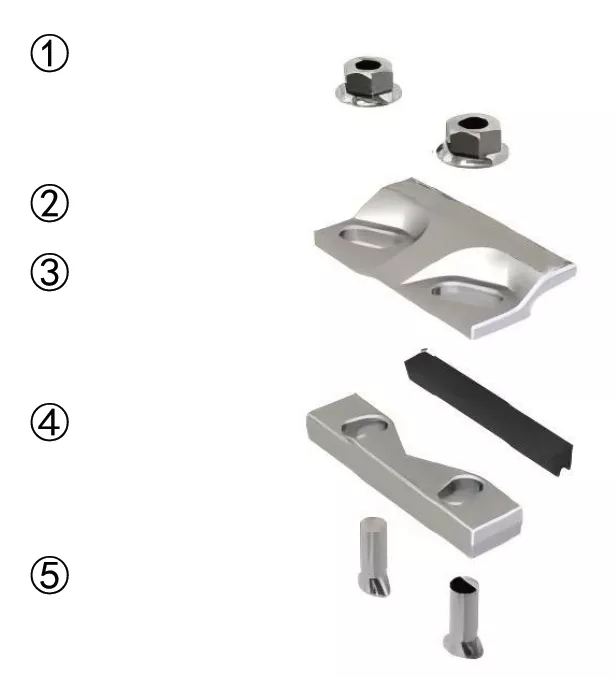
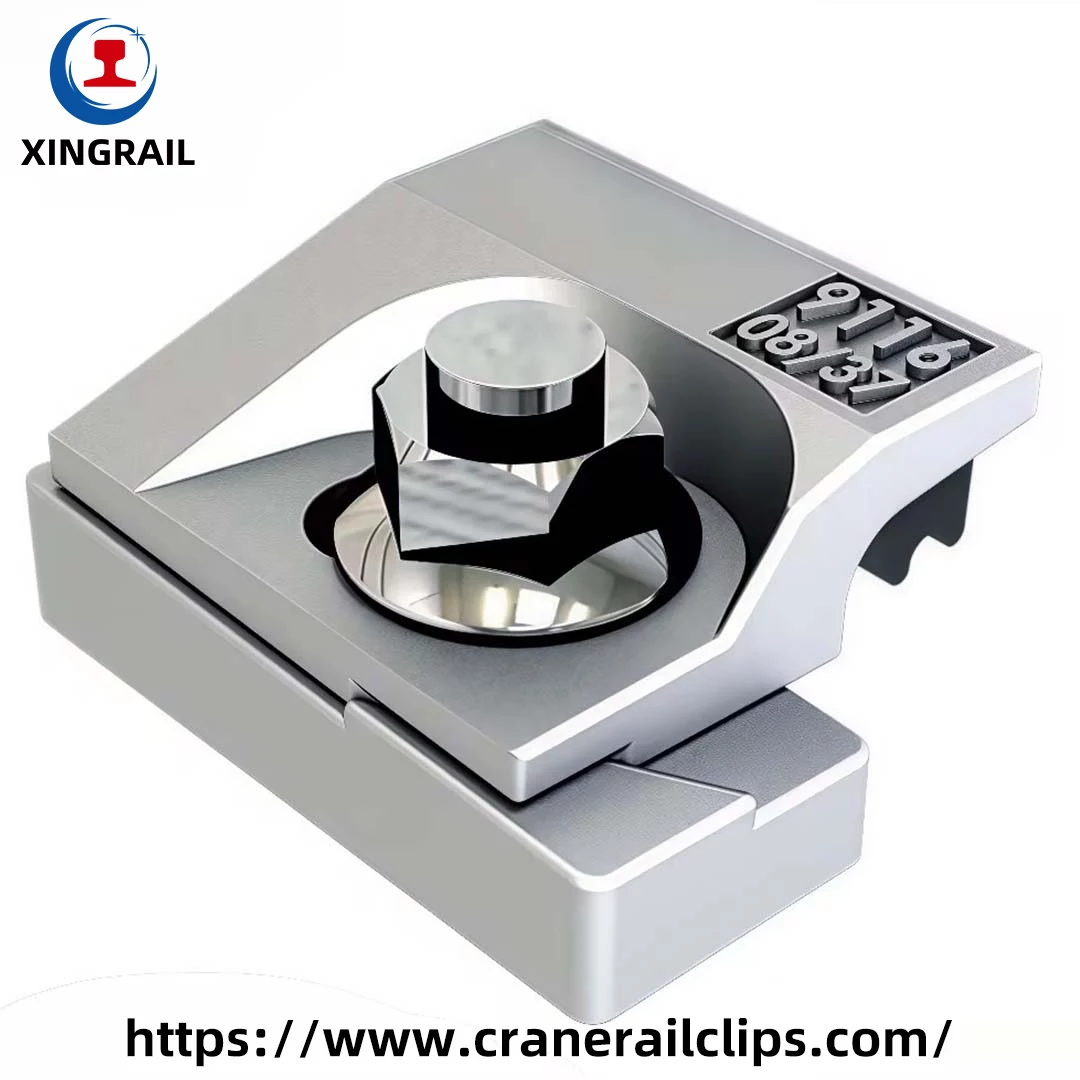
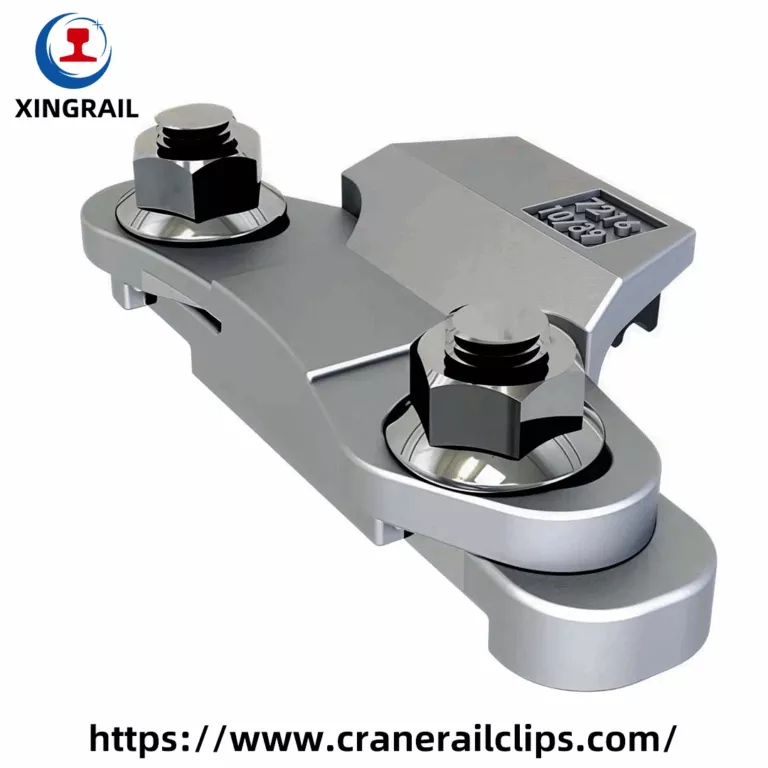
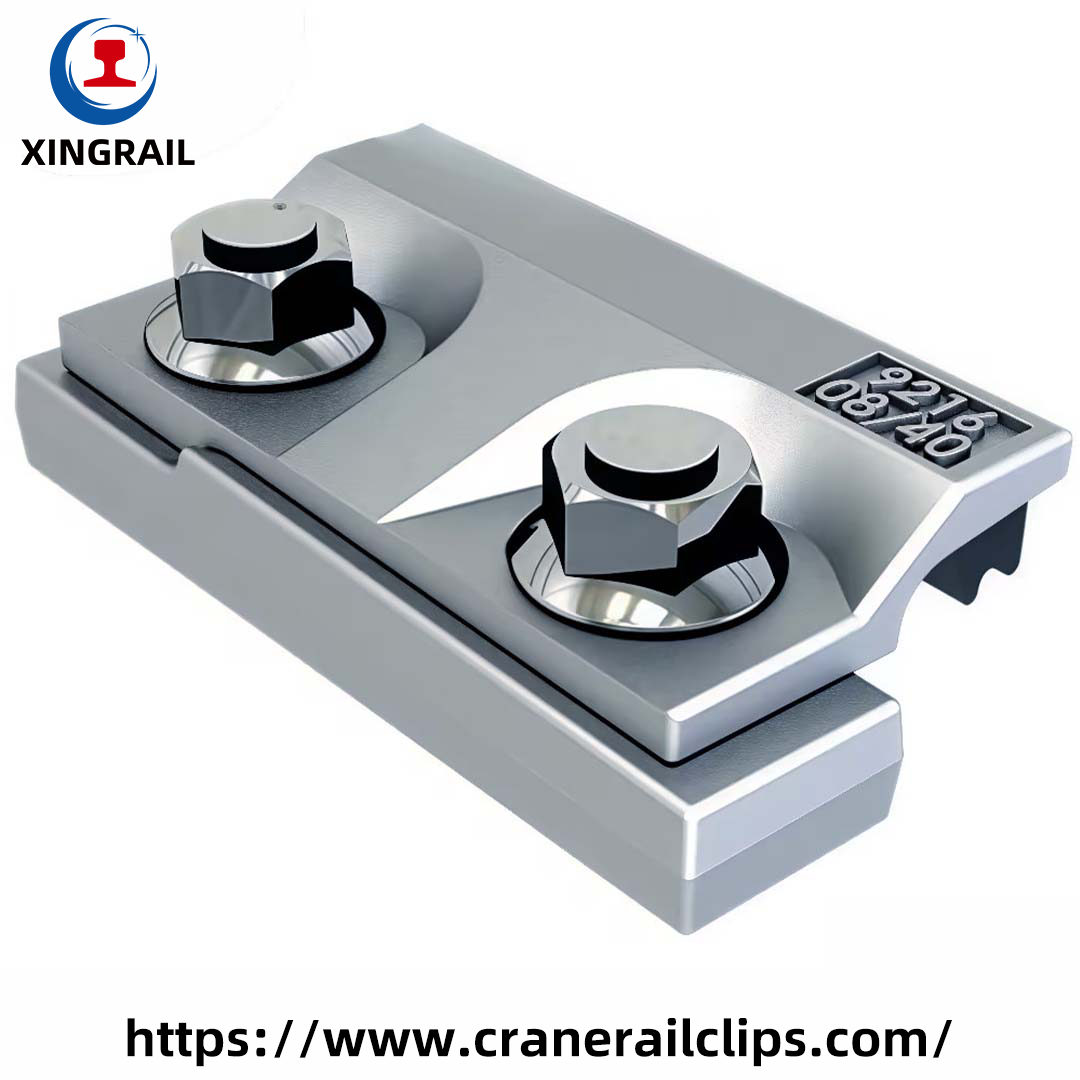
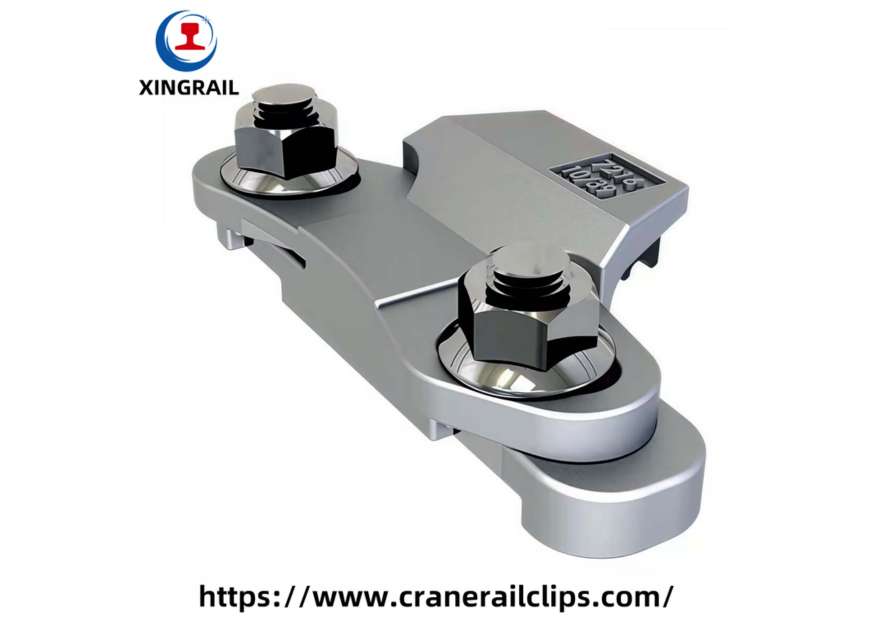
Discontinuous rail mounting, also called discrete chair or stool mounting, is the preferred fastening strategy for light to medium-duty crane runways worldwide. Instead of a full-length continuous base plate, the...
Continuous Rail Mounting Systems vs Discontinuous Runway Support
Every crane runway project reaches the same structural crossroads: choose continuous rail mounting or discontinuous discrete chair mounting. This decision shapes girder fatigue life, long-term maintenance costs, and operational safety...
Polar Crane Rail Fastening Systems for Nuclear Containment Runways
Inside a nuclear reactor containment building, precision is not optional — it is mandated by law. The polar crane sits at the very top of that structure, completing a full...
Intermodal Terminal Rail Clips for Container Stacker Tracks
Modern intermodal terminals operate under extreme pressure. Rail-Mounted Gantry (RMG) cranes run 24 hours a day, rapidly transferring containers between flatcars and road trailers. Each braking cycle sends powerful lateral...
Casting Crane Rail Clips for High-Temperature Foundry Runways
Foundry runways are among the most punishing environments in heavy industry. Casting cranes and ladle cranes lift and transport hundreds of tonnes of molten steel at temperatures reaching 1,600°C. The...
In modern automated high-bay warehouses, stacker cranes operate 24 hours a day, 7 days a week, at speeds of 160–240 m/min with acceleration rates of 0.5–1.5 m/s². These machines travel...
A crane rail looks simple. It is a heavy steel section sitting on a runway beam or a concrete foundation. What keeps it there, straight and level, under a 60-tonne...
A rail clip has one job. It keeps the rail sitting where the engineer put it, under load, day after day. Get the installation right and the rail stays true...
Crane rails carry loads that no railway track ever sees. A ship-to-shore gantry can push 60 to 90 tonnes through a single wheel. Every start, stop, and skew sends that...
A crane rail clip is chosen on seven hard numbers: rail foot width, hold-down force, lateral load capacity, adjustment range, fixing method, material grade, and coating class. Match all seven...
Shipyard Gantry Rail Clips for Heavy-Duty Goliath Runways
Shipyard gantry rail clips are the most critical—and most overlooked—fastening component on any drydock runway. Goliath gantry cranes span 100 to 180 metres across open dock basins. They lift ship...
Engineering Reliable Rail Fixing Systems for Industrial Cranes
When designing heavy-lift infrastructure, the runway is only as strong as its foundation. For structural engineers, procurement managers, and port operators, specifying the right track hardware is absolutely critical. Handling...
The Engineer’s Blueprint for Welded Rail Securing Systems
When designing heavy-duty crane runways for ports, shipyards, or steel plants, engineers know that track integrity is non-negotiable. Massive dynamic loads and constant lateral shear forces demand fastening solutions that...
The Engineer’s Guide to Specifying Rail Fixing Hardware for Cranes
For engineers, procurement managers, and shipyard operators, designing an industrial runway means prioritizing track stability above all else. When dynamic loads from overhead equipment shift and travel, inferior fastening components...
Heavy cranes place extreme loads on rails, support beams, and fastening hardware. When the rail fixing system is weak, the whole runway suffers. Misalignment grows, vibration increases, and maintenance costs...
Crane runway reliability starts at the rail fixing point. If the rail moves, loosens, or wears unevenly, the whole crane system suffers. That is why engineers and contractors spend so...
Crane runway performance depends on more than the rail itself. The fixing method often decides whether a system stays aligned, absorbs impact, and lasts under heavy service. For engineers and...
Heavy-duty industrial environments demand robust infrastructure. When a fully loaded overhead crane moves massive steel coils or shipping containers, the tracks must handle immense dynamic forces. If the tracks shift...
Guide to Welded Crane Rail Clips & Fixing Solutions
Designing and maintaining a safe crane runway system requires precision, durable materials, and robust engineering. When heavy loads move overhead, the integrity of your tracks is non-negotiable. Substandard fastening systems...
Guide to Heavy-Duty Rail Fixing Systems & Crane Clips
Keeping heavy machinery moving safely requires a foundation built on precision and strength. When massive cranes lift tons of steel or cargo, the tracks beneath them endure immense stress. Without...